How Much Does Roof Leak Repair Cost?
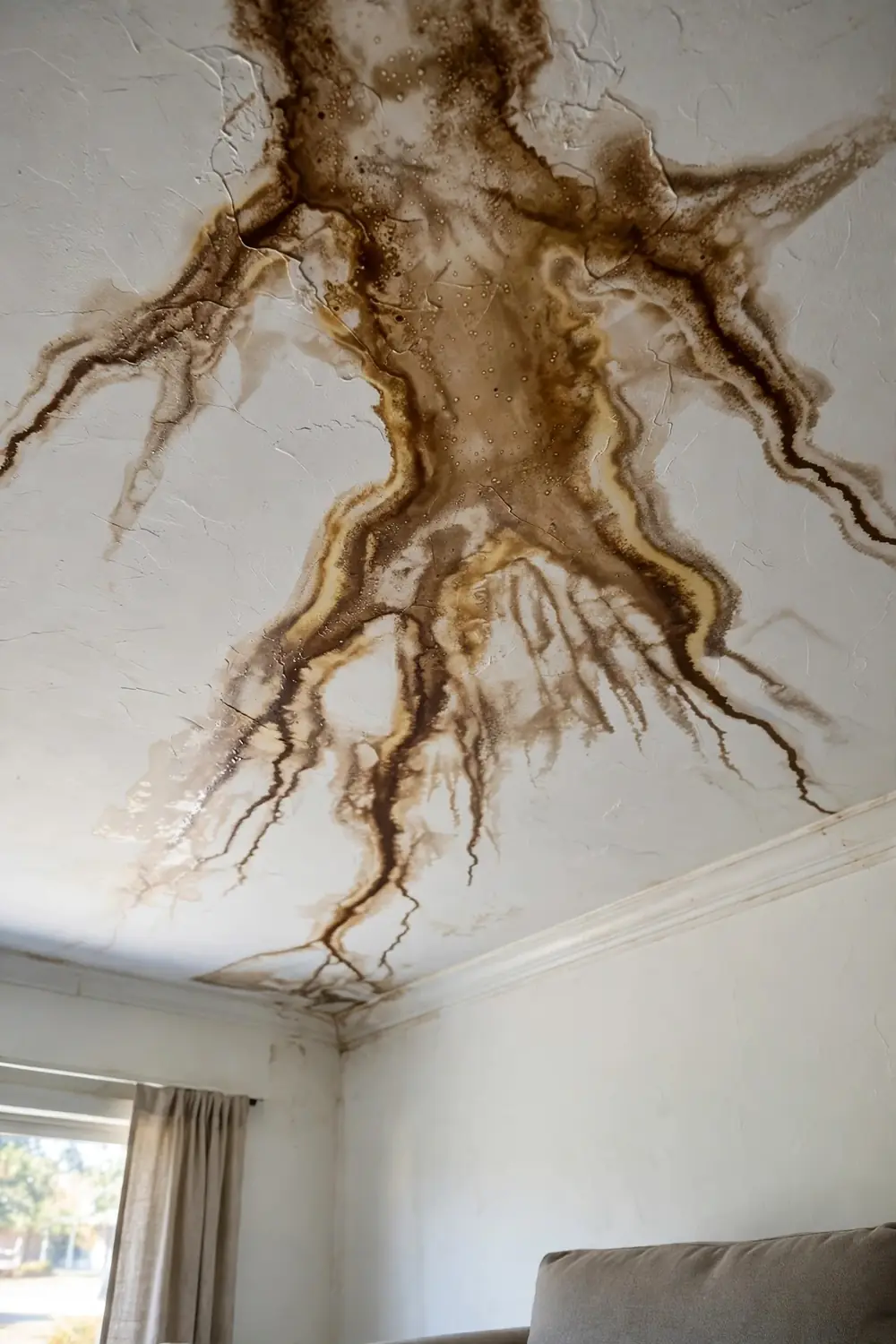
A ceiling stain is a liar. The brown patch blooming over the lounge room can sit metres from the cracked tile or lifted flashing that is actually letting the water in, which is why two neighbours with “the same leak” get wildly different quotes.
That gap is exactly what makes roof leak repair cost so hard to pin down before a roofer climbs up. This guide breaks the price into its real parts — what it costs to find the leak, what the common fixes cost by cause, and what pushes a quote up — using published Australian guide figures, each with its source and scope attached so you can compare like with like.
Start with the quick answer, then find your leak’s likely cause in the tables. If water is coming in right now, skip to the section on what to do first.
The quick answer
For a single, isolated leak, the published per-job bands cluster in the hundreds, not the thousands. Each source prices differently, so read them as separate offers rather than one merged range.
| Source | Minor / single leak repair | Basis |
|---|---|---|
| What’s The Damage (national guide) | $250–$800 per job, typical $500 | Per job, materials usually included |
| Kangaroof (one Sydney roofing firm) | $350–$800 | Minor repairs — a few tiles, resealed flashing |
| WSG Group (Central Coast, NSW) | $250–$1,200 for common issues | One regional market’s typical ranges |
On top of the repair itself, most quotes start with finding the leak, and that is priced separately. One major platform, hipages, prices leak work completely differently — by the hour, at $45 to $100 per hour plus a possible travel fee — so an hourly quote and a per-job quote are never directly comparable.
What it costs just to find the leak
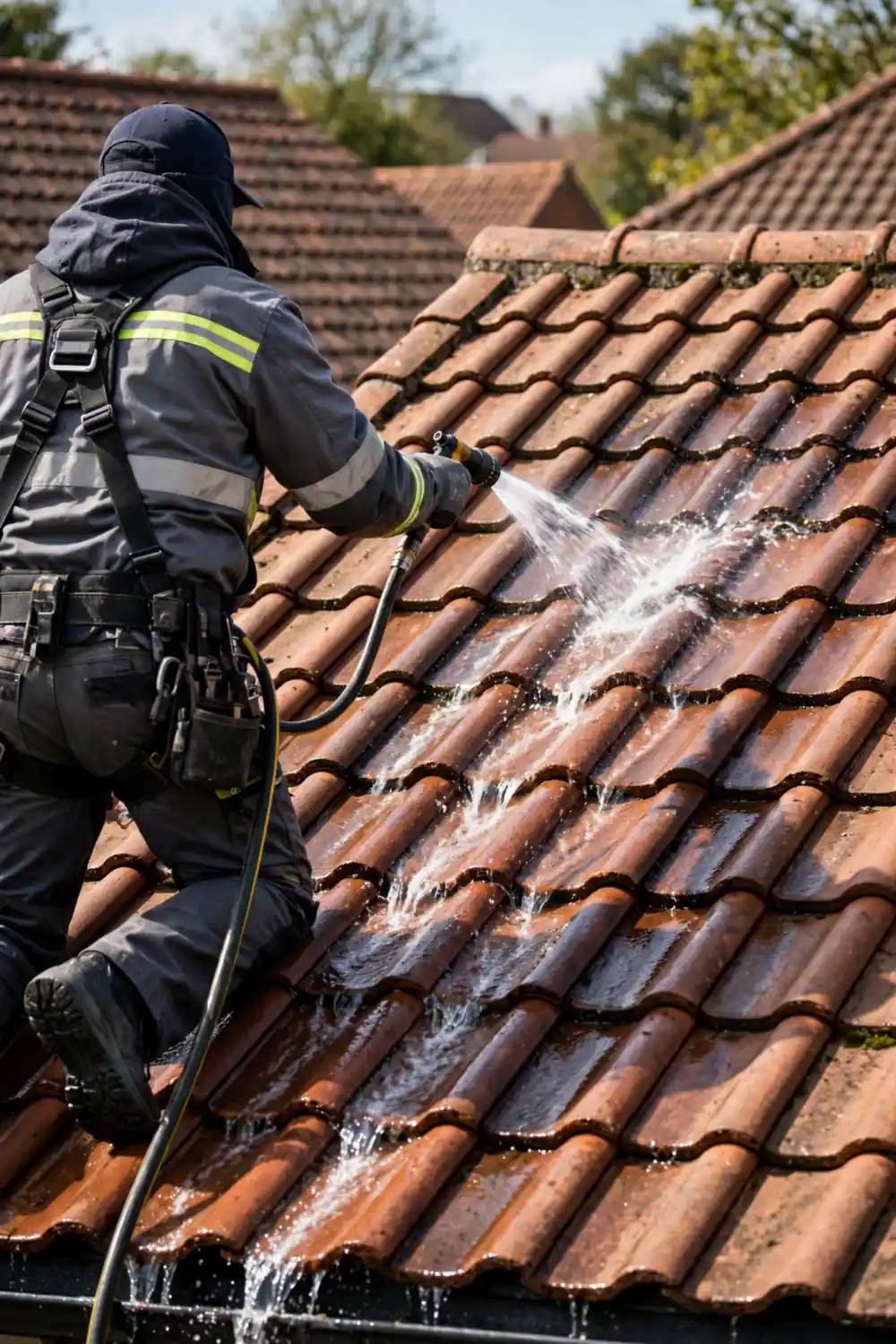
Water travels. What’s The Damage makes the point that the price depends on how long the roofer spends tracing the water, because the stain can sit well away from the gap letting rain in. Kangaroof describes the same physics — water enters through a tiny crack, runs along rafters and sarking, and drops metres away.
That tracing is sold as three different products, and mixing them up is where most price confusion starts.
| Product | Published price | What you get |
|---|---|---|
| Callout / inspection fee (WSG, Central Coast) | $80–$150 in business hours; $150–$300+ after hours | A roofer attends, inspects and quotes |
| Leak detection fee (Kangaroof, Sydney) | $110 flat | Dedicated leak hunt — credited toward the repair if you proceed |
| Roof inspection with written report (What’s The Damage) | $200–$500 per visit, typical $350 | A formal inspection and report, the kind used before buying |
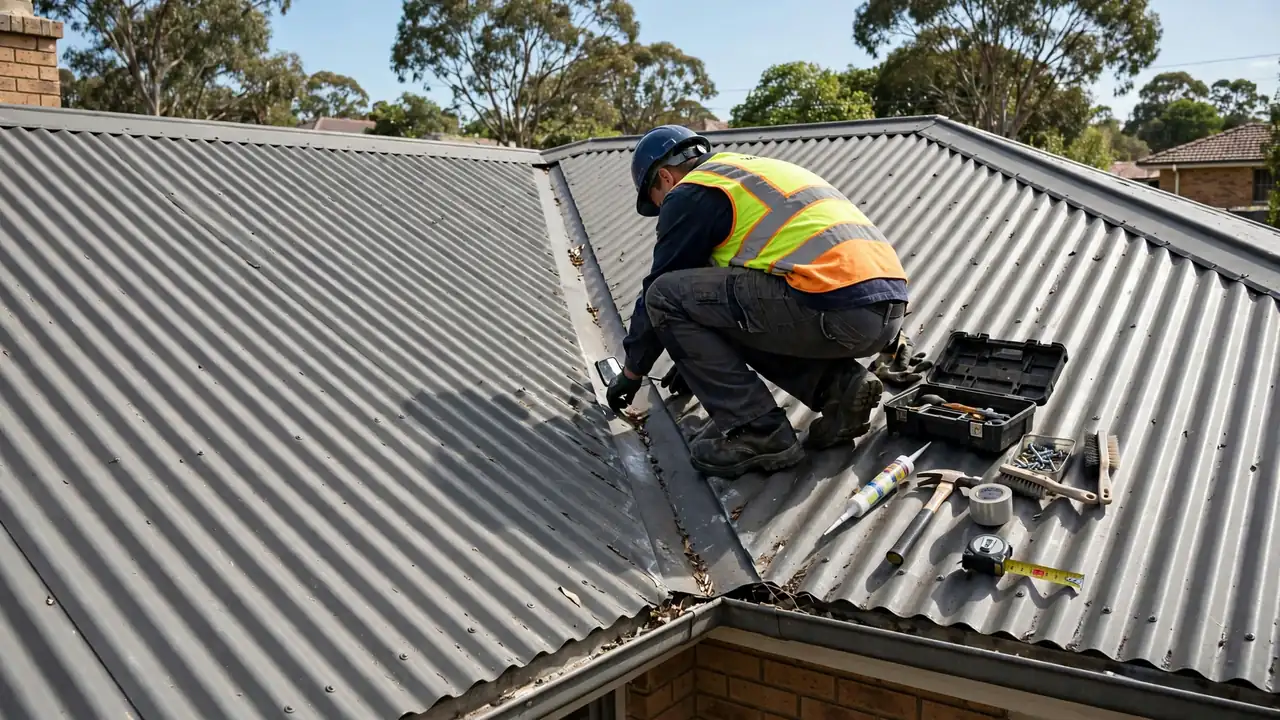
A thorough detection visit works through the high-risk points — flashing, valley trays, ridge capping, sarking — and may use controlled water spray testing, running a hose on isolated sections while someone watches inside. Some firms also offer thermal imaging surveys. Treat that one carefully. Kangaroof, a Sydney leak specialist, argues against relying on it — thermal cameras measure surface temperature differences, not water entry points, and a moisture meter only confirms what you already know, that it is wet. No verified Australian price for a thermal survey is published here, because the one guide that priced it could not be verified.
Repair costs by cause
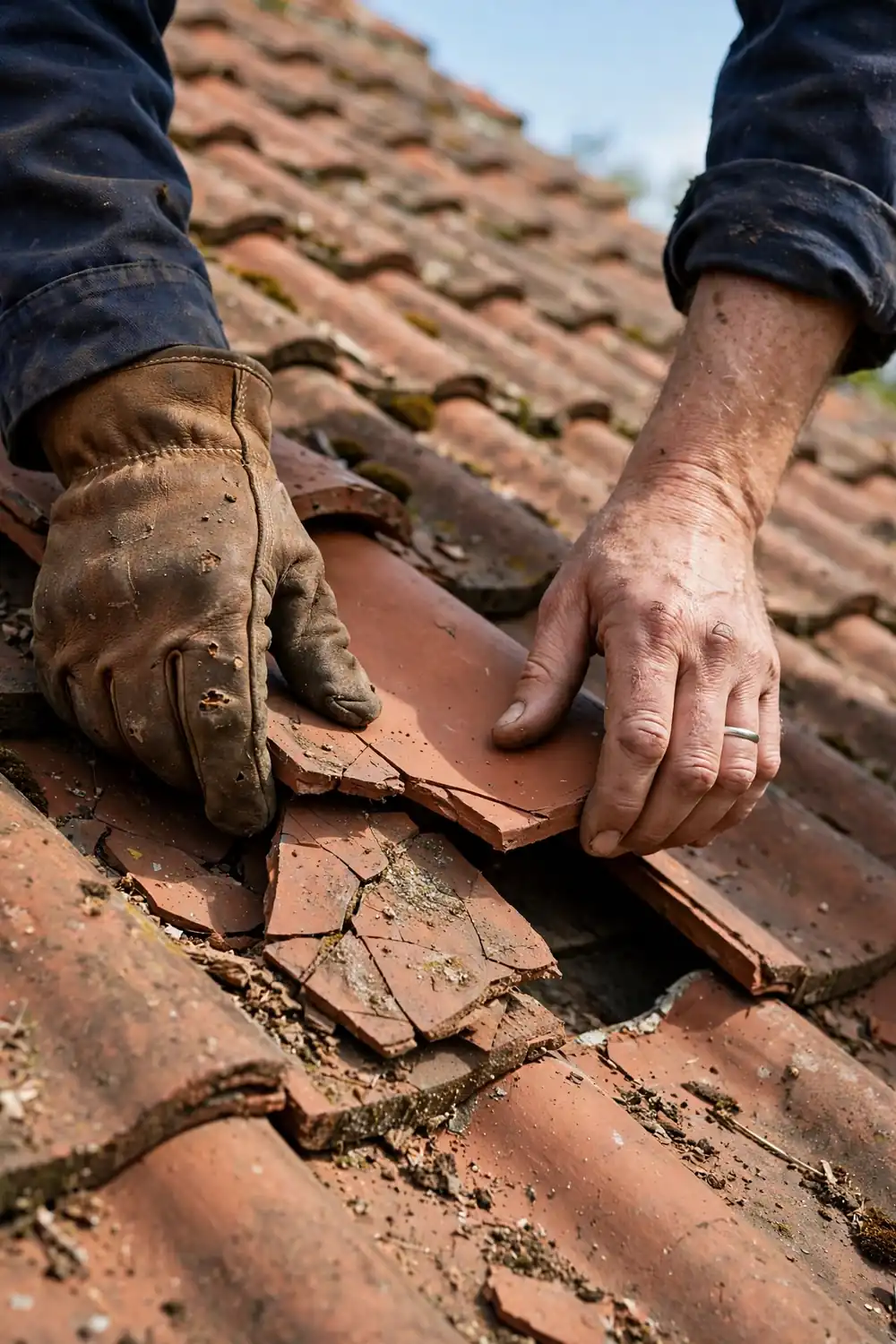
Once the entry point is found, the fix is priced by what failed. These are the published per-cause figures from the fetched guides, each labelled with its source — regional and single-business figures are marked as such.
| Repair | Published range | Source and scope |
|---|---|---|
| Replace broken or cracked tiles | $300–$1,000 (typical $600) | What’s The Damage, per job |
| Replace broken or cracked tiles | $250–$600 | WSG, per repair area |
| Flashing repair | $350–$900 | WSG — the only standalone flashing price found |
| Ridge pointing / repointing | $300–$800 | WSG, tile roofs |
| Ridge capping repair, partial | $400–$1,200 (typical $600) | What’s The Damage, a few caps or one section |
| Full ridge re-bed and re-point | $800–$3,500 | What’s The Damage, full roof |
| Full ridge re-pointing | $1,500–$4,000 | WSG, average home — note the conflict with the line above |
| Skylight or vent resealing | $300–$700 | WSG |
| Colorbond sheet repair / patch | $400–$1,000 | WSG, depends on access and sheet length |
| Structural timber repair | $1,500–$5,000+ | WSG, when water has reached rafters or sarking |
| Moderate repairs | $800–$2,500 | Kangaroof — valley replacement, multiple leak sources |
| Major repairs | $2,500–$5,000+ | Kangaroof — structural damage, extensive sheet replacement |
Failed flashing causes more leaks than anything else
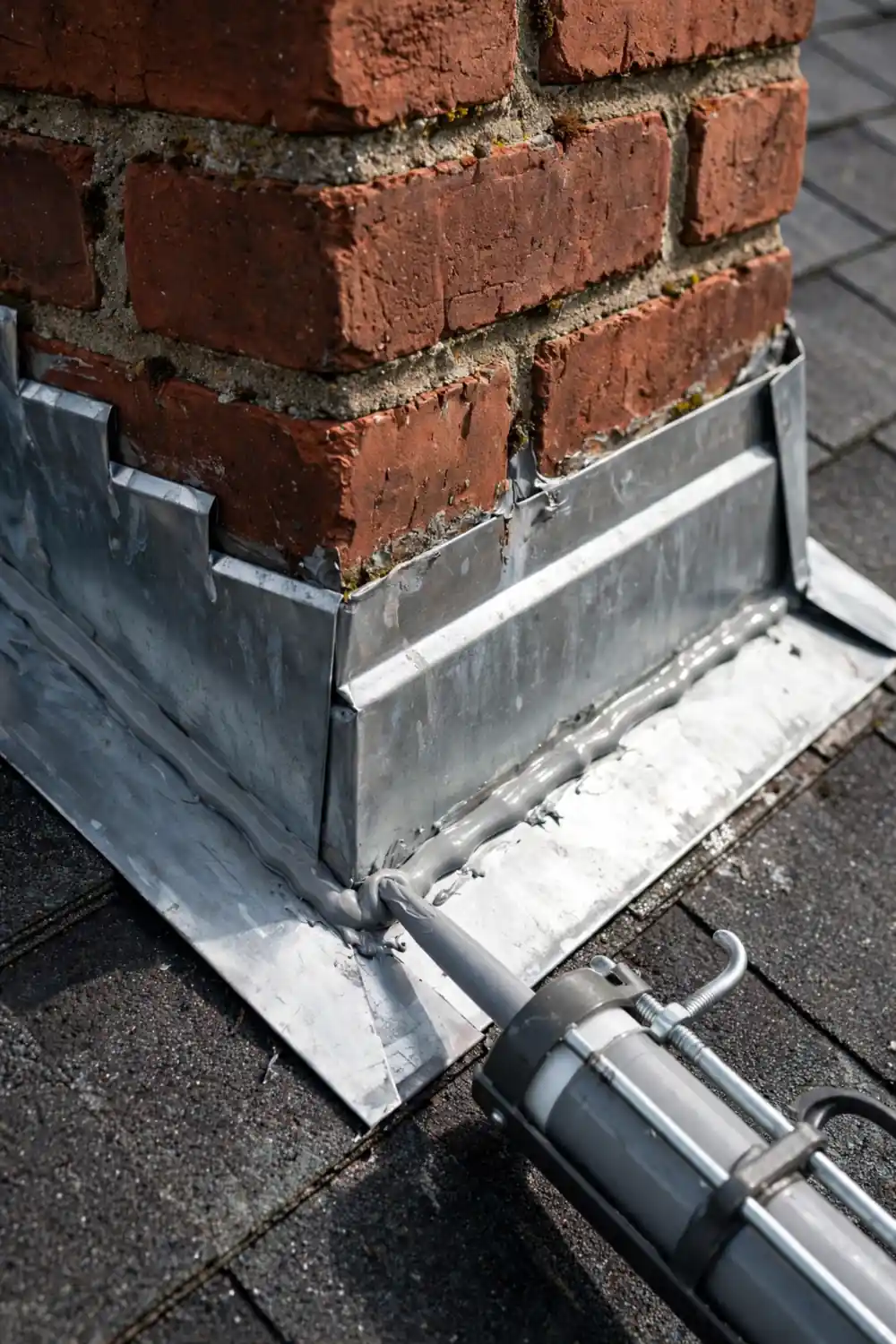
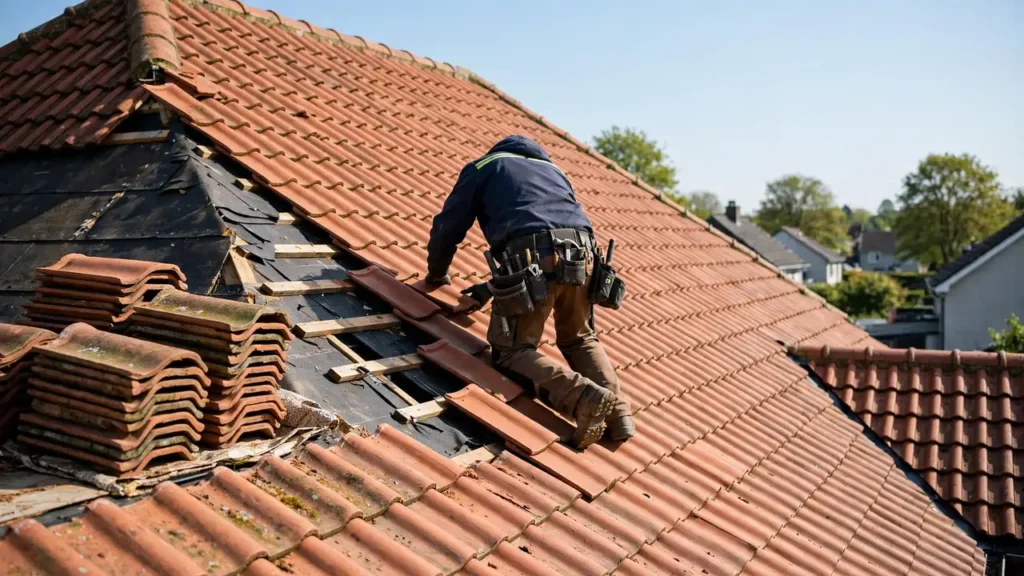
WSG calls failed flashing the single most common cause of roof leaks in NSW homes. Flashing seals the joins where a roof meets a chimney, skylight, parapet or valley, and it corrodes, lifts or separates from its sealant over time. Because it is one repair area rather than a whole roof section, it sits in the mid-hundreds in the only standalone pricing found.
Tiles and ridge caps are the wear-and-tear leaks
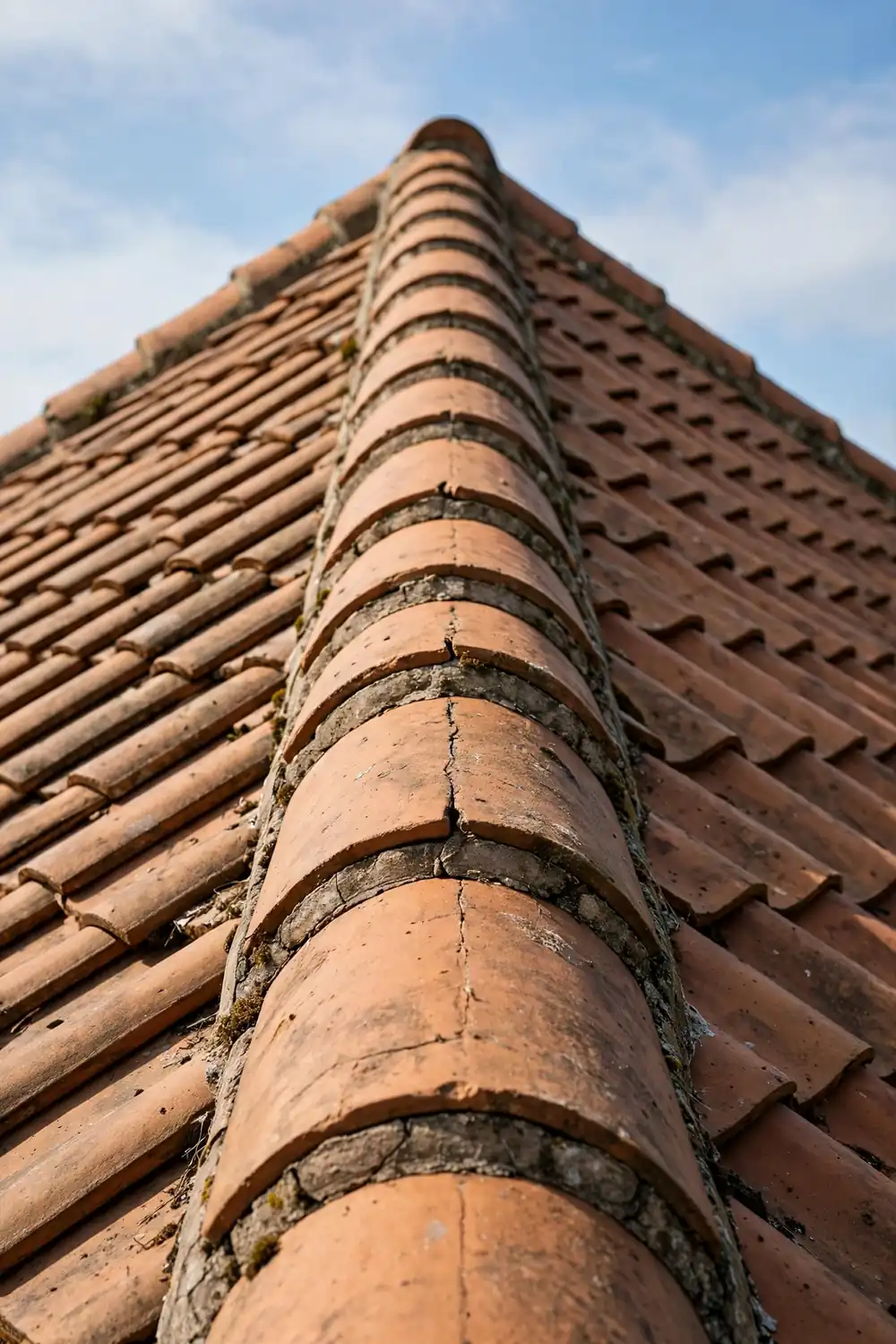
A hairline crack in a tile is enough to let water track underneath, and ridge-capping mortar deteriorates over decades until cracked pointing lets caps shift and water in at the peak. Both are classic isolated-fault repairs. The honest warning in the table is the full re-point figures — the two guides genuinely disagree ($800–$3,500 nationally against $1,500–$4,000 in one NSW market), so treat a full-ridge quote as something to get in writing, itemised.
The expensive end is timber, not tiles
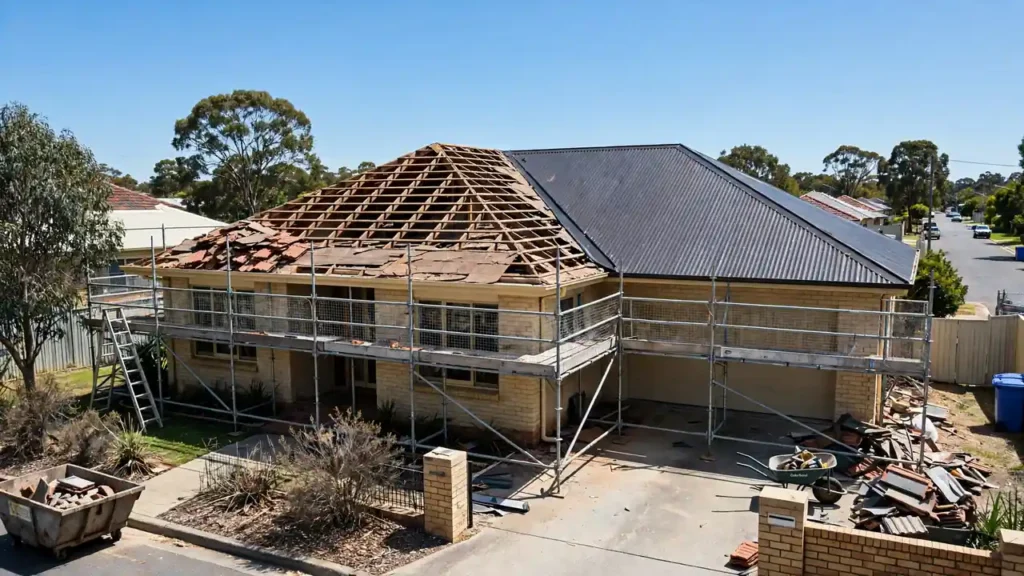
The repair bills that hurt are the ones where the leak was left alone. Once water reaches rafters and sarking, WSG prices structural timber repair at $1,500–$5,000+, and warns that damage spread into timbers, insulation and ceilings can push a total well above $5,000. It is the same story our guide to hidden water damage tells from the renovation side — the leak is cheap, the delay is not.
What pushes the quote up
- Tracing time — a leak metres from its stain takes longer to find, and time is the product
- Number of leaks — hipages names this first; two entry points are not one job
- Height, steepness and access — steep or high roofs need more safety precautions, and difficult access can mean hired equipment
- Roof material — tile matching, sheet length and flashing complexity all move the labour
- Timing — after-hours emergency work attracts the higher callout band in the WSG figures ($150–$300+ against $80–$150 in hours)
If the roof is leaking right now
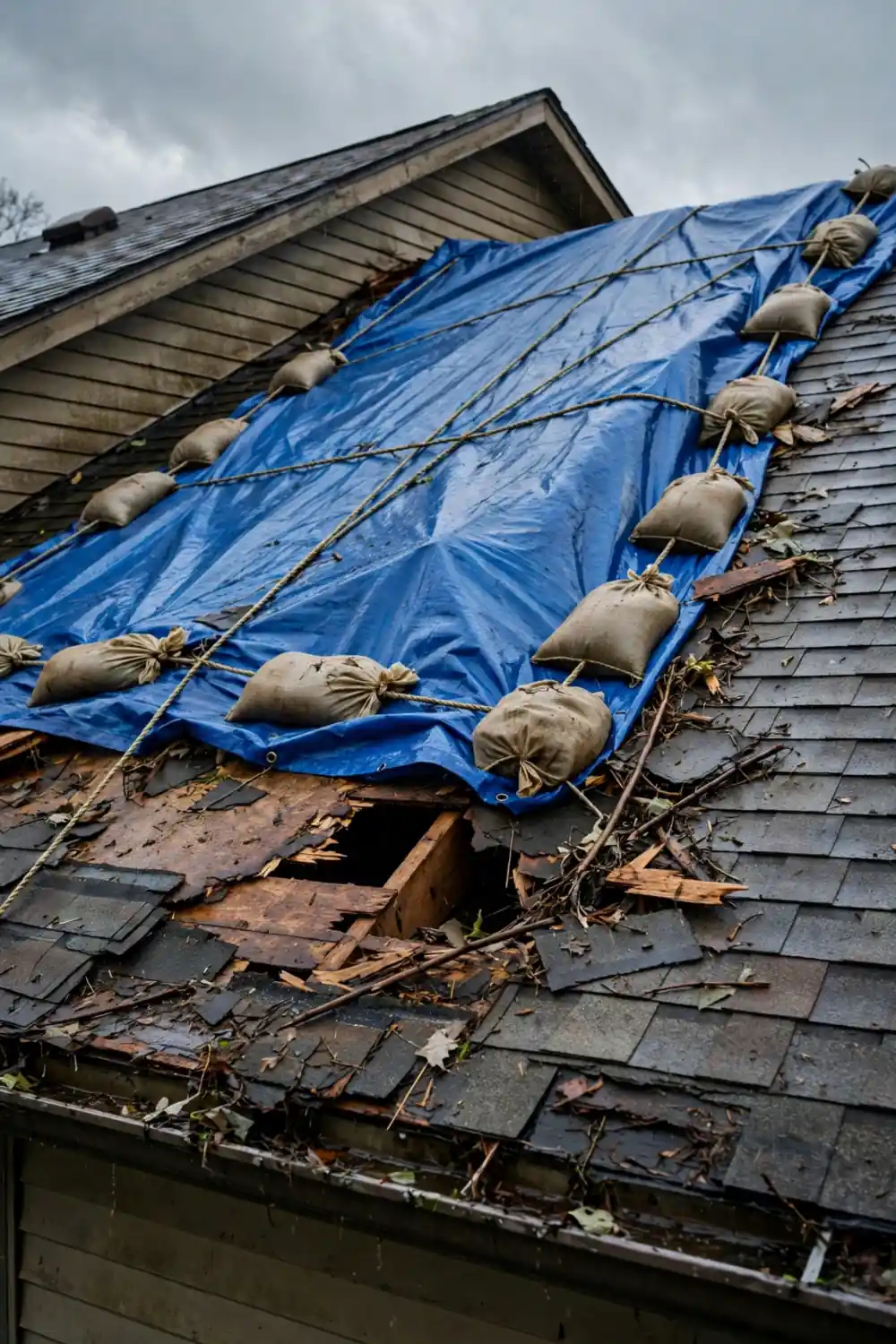
Do the ceiling a favour before you do the maths. hipages’ advice for an active leak is to move your possessions out of harm’s way or cover them, turn off the electricity if water is near it, and contact a professional.
For the repair itself, the usual professional sequence is temporary weatherproofing first — stopping the immediate damage — with the permanent repair scheduled after. You can patch a leak yourself with sealant or a cover, and hipages says exactly that, but it recommends a professional fix as the actual repair. A patch buys time; it does not close the entry point.
And if the leak has been showing itself for a while — stains, musty smells, paint bubbling — our guide to the top signs your roof is starting to fail helps you read what else the roof is saying before you book.
When a leak stops being a repair
A repair targets one specific fault on a roof that is otherwise sound. The sources draw the line in the same place — when leaks repeat across multiple areas, when battens or rafters have rotted, or when the roof sags, the job has left repair territory.
Melbourne readers weighing that exact call will find our Melbourne guide to roof restoration, repair and replacement built for the decision. And when a roof genuinely reaches the end of its life, replacement is a different budget entirely — our roof replacement cost guide covers what a new roof costs, per material, across the whole house.
Insurance and licensing notes

Insurance first. hipages notes that a leaking roof and the cost of repair may be covered depending on your policy, what caused the leak, and whether you have kept up with maintenance on the roof. The NSW guide adds the usual pattern — storm and accidental damage are generally treated differently from gradual deterioration, which is typically a maintenance problem, not a claim.
On licensing, the NSW example is the clearest published one. WSG states that roofing work in NSW over $5,000 requires a contractor licence, checkable through Service NSW, and that a roofer should hold public liability insurance — ask for the certificate of currency. Their other benchmarks travel well to any state — a written quote that specifies method, materials and warranty, and reputable roofers backing their workmanship for a minimum of 12 months. hipages’ checklist agrees — look for a roofer who offers a warranty on workmanship and materials, is insured, and has a good reputation locally. Rules differ by state, so check your own regulator for the threshold that applies to you.
Frequently asked questions
How much does a roof leak repair cost?
Per job, the published minor-leak bands are $250–$800 (What’s The Damage, typical $500) and $350–$800 (Kangaroof, Sydney), with WSG’s Central Coast ranges running $250–$1,200 for common issues. hipages instead quotes $45 to $100 per hour plus a possible travel fee. The final figure depends on the cause, the tracing time and access.
What to do if your roof is leaking?
Move or cover your possessions, turn off the electricity if water is anywhere near it, and contact a professional. Expect temporary weatherproofing first if the leak is active, with the permanent repair booked in after.
Are leaking roofs covered by insurance?
Possibly. hipages frames it as depending on your policy, what caused the leak and whether the roof has been maintained. Sudden storm or accidental damage is generally treated differently from gradual deterioration, which insurers typically regard as maintenance.
How long does a roof repair take?
The guides frame most minor repairs as part-day to half-day work once the leak is found — What’s The Damage describes its minor repair band as a half-day job with materials usually included. Finding a stubborn leak can take longer than fixing it.
What is flashing and why does it cause leaks?
Flashing is the metal sealing at the joins of a roof — around chimneys, skylights, parapets and valleys. It corrodes, lifts or separates from its sealant over time, and WSG identifies failed flashing as the single most common cause of roof leaks in NSW homes.
What is the difference between a roof repair and a roof restoration?
A repair fixes one specific fault — a cracked tile, a failed flashing section. A restoration treats the whole roof surface when wear is widespread but replacement is not yet needed. Our Melbourne guide works through which side of that line a roof sits on.
The number that matters
Most single leaks live in the hundreds. The quotes that frighten people belong to leaks that were found late, traced slowly or left dripping into timber.
So the real saving is not shopping the repair — it is shortening the time between the first stain and the phone call.