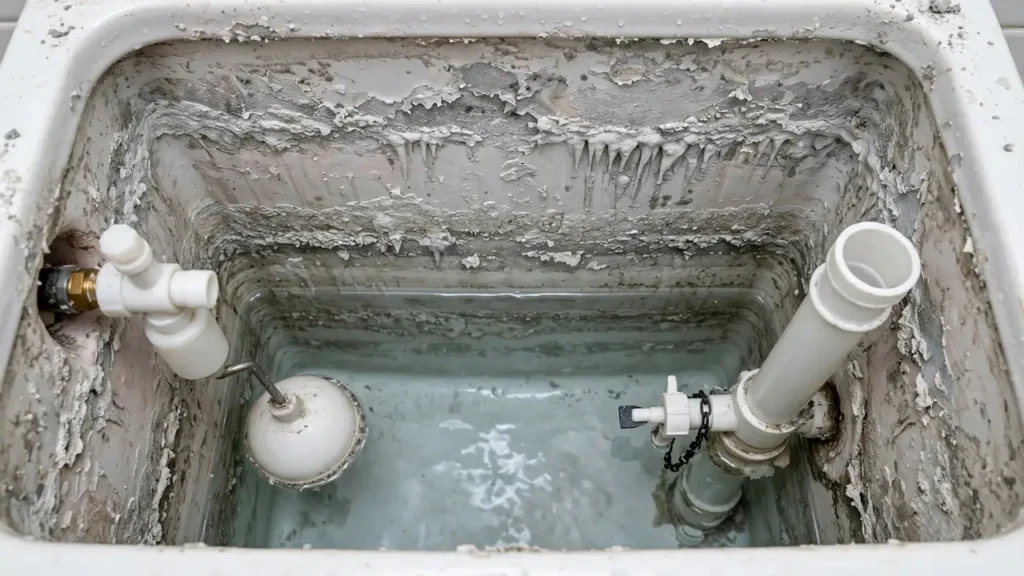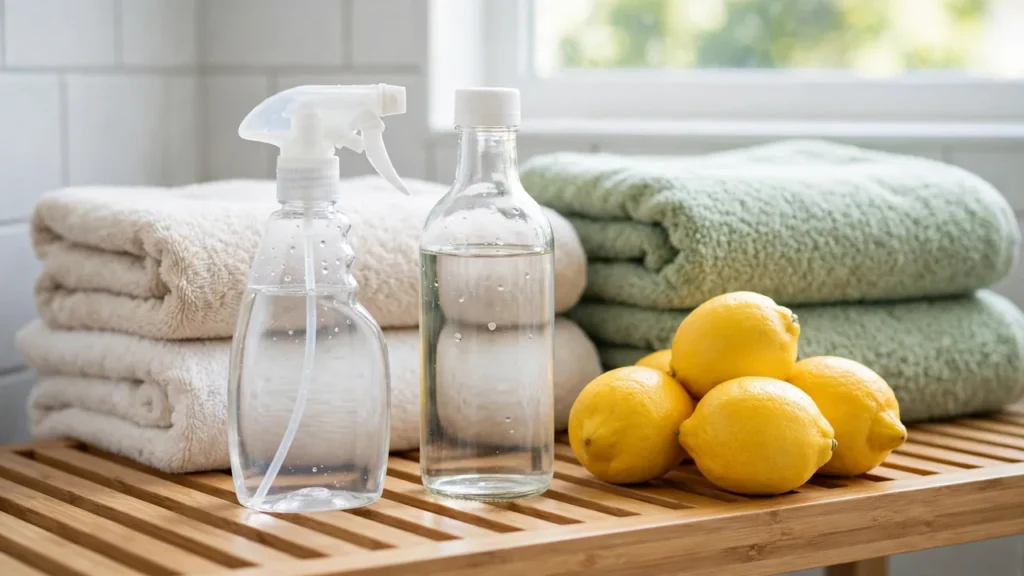
Summer is almost here, and the house still smells faintly of winter. Dust sits thick on the fan blades, the air-con filter has not been touched since autumn, and the flyscreens are due for a wash before the mozzies arrive. This spring cleaning checklist Australia homeowners can actually finish walks you room by room through the 25 jobs that matter most before summer, so the house is cool, fresh and ready for the season instead of playing catch-up in January. Each job takes twenty minutes or an afternoon at most, and you can tick them off in any order that suits your weekends.
Whole home
1. Dust the ceiling fans, both sides of the blades
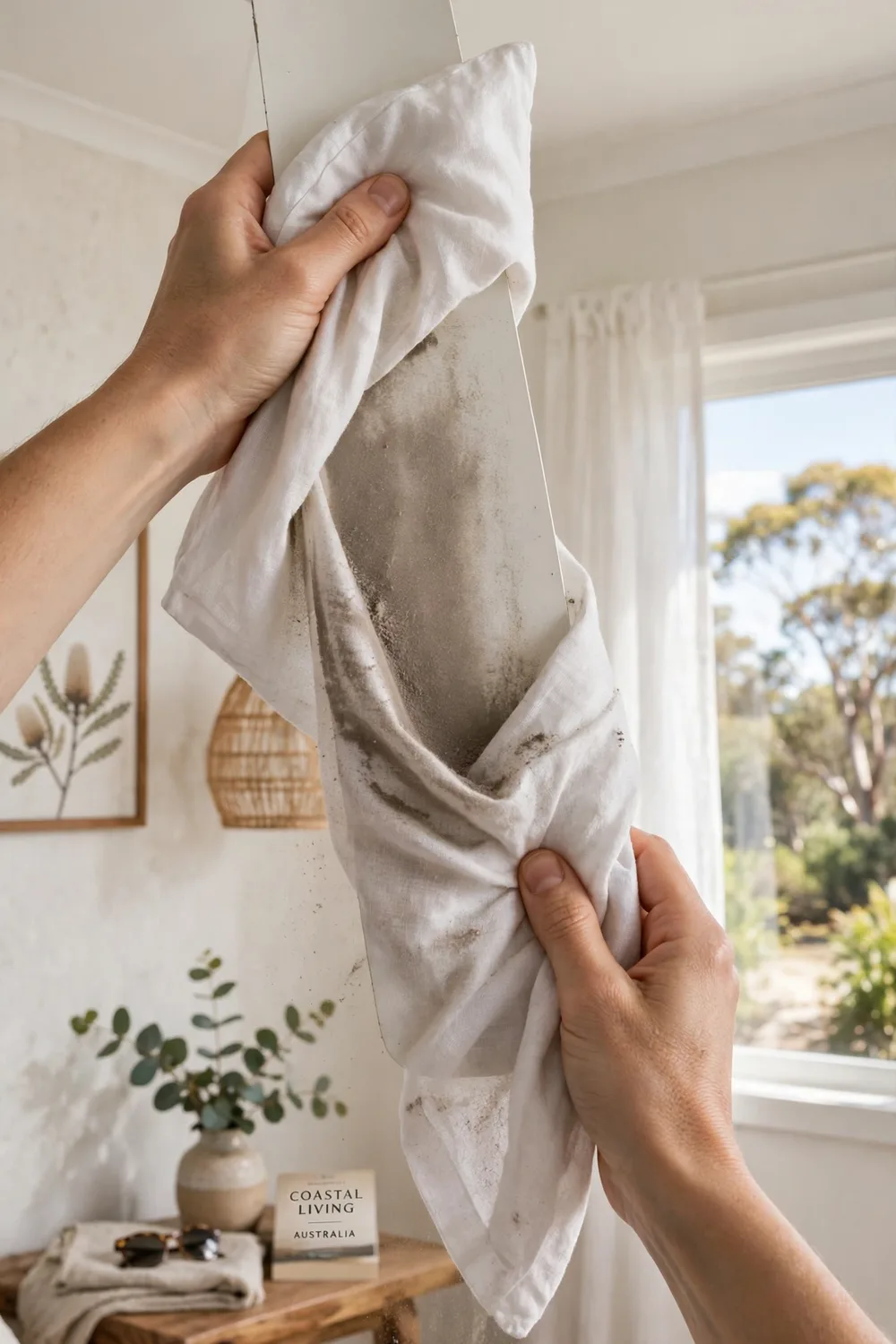
Fans gather a grey felt of dust on top of their blades over winter, and the first hot night flings it straight back into the room. Slip a retired pillowcase over each blade, spray a little mild cleaning solution inside it, and wipe the blade clean inside the case so the dust stays trapped instead of drifting down. Finish with an electrostatic duster for the edges you missed.
- Tool, a retired pillowcase and mild cleaning solution
- Trick, wipe inside the case so dust stays contained
- Finish, electrostatic duster along the blade edges
2. Wash the air-con filters and vacuum the vents
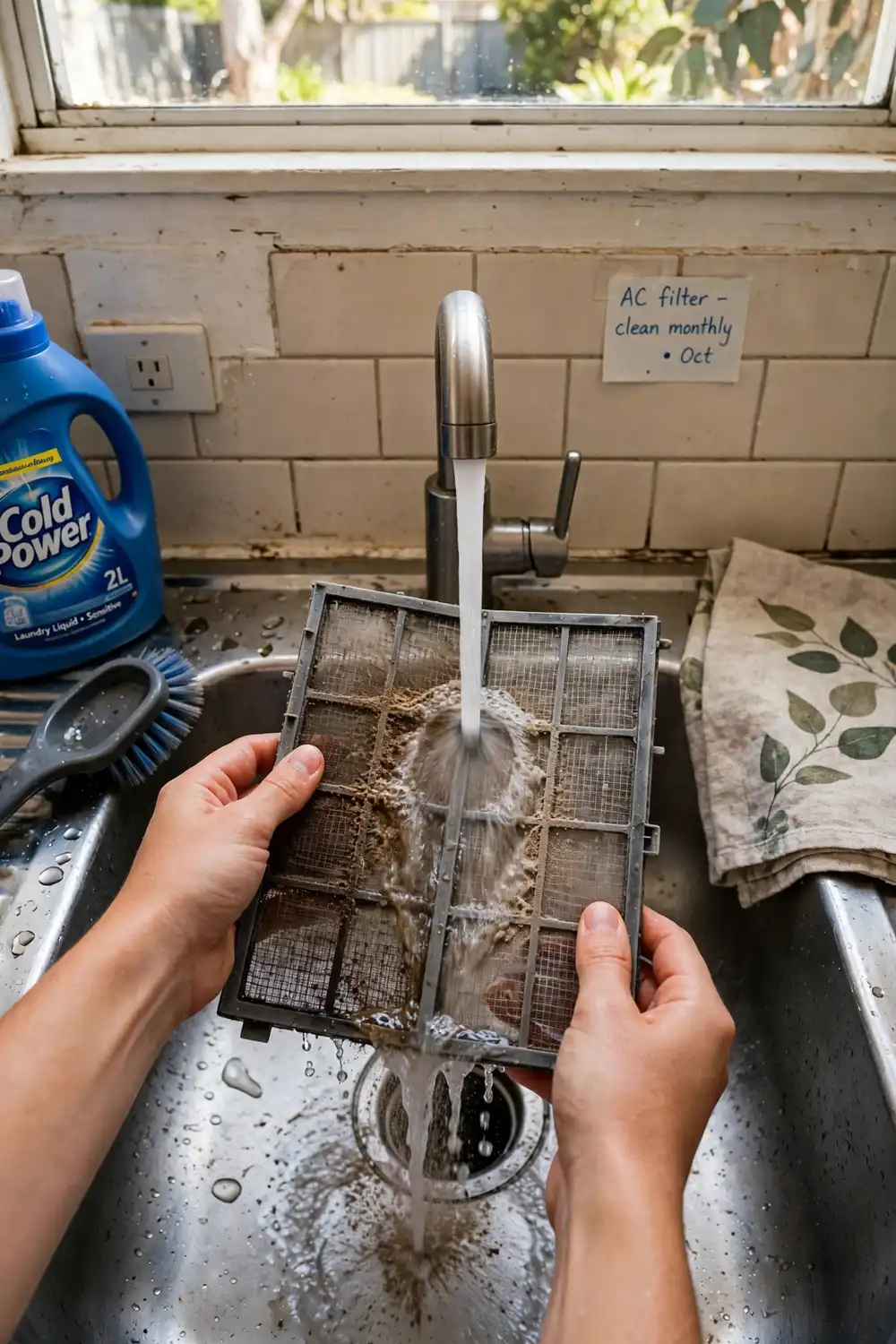
Before the first heatwave, the air-con filter needs a wash, not just a glance. Slide the filters out, rinse them clean and let them dry fully before they go back in, then vacuum the vents and exhaust fans so the air that comes through is actually clean. Switch the power off before touching any light fitting or vent, and never wipe an electrical fitting with a damp cloth.
- Filters, rinse clean and dry fully before refitting
- Vents, vacuum the dust out rather than pushing it in
- Safety, power off first, no damp cloth on fittings
3. Test the smoke alarms
A spring clean is the natural moment to press the test button on every smoke alarm in the house. If one stays silent, swap its battery straight away, and if it is past its use-by date, replace the whole unit. Renters should tell their landlord or property manager about a dead alarm rather than leaving it.
- Test, press the button on every alarm
- Battery, replace at once if the alarm stays silent
- Renters, report a dead alarm to the landlord
4. Wash the windows inside and clean the tracks
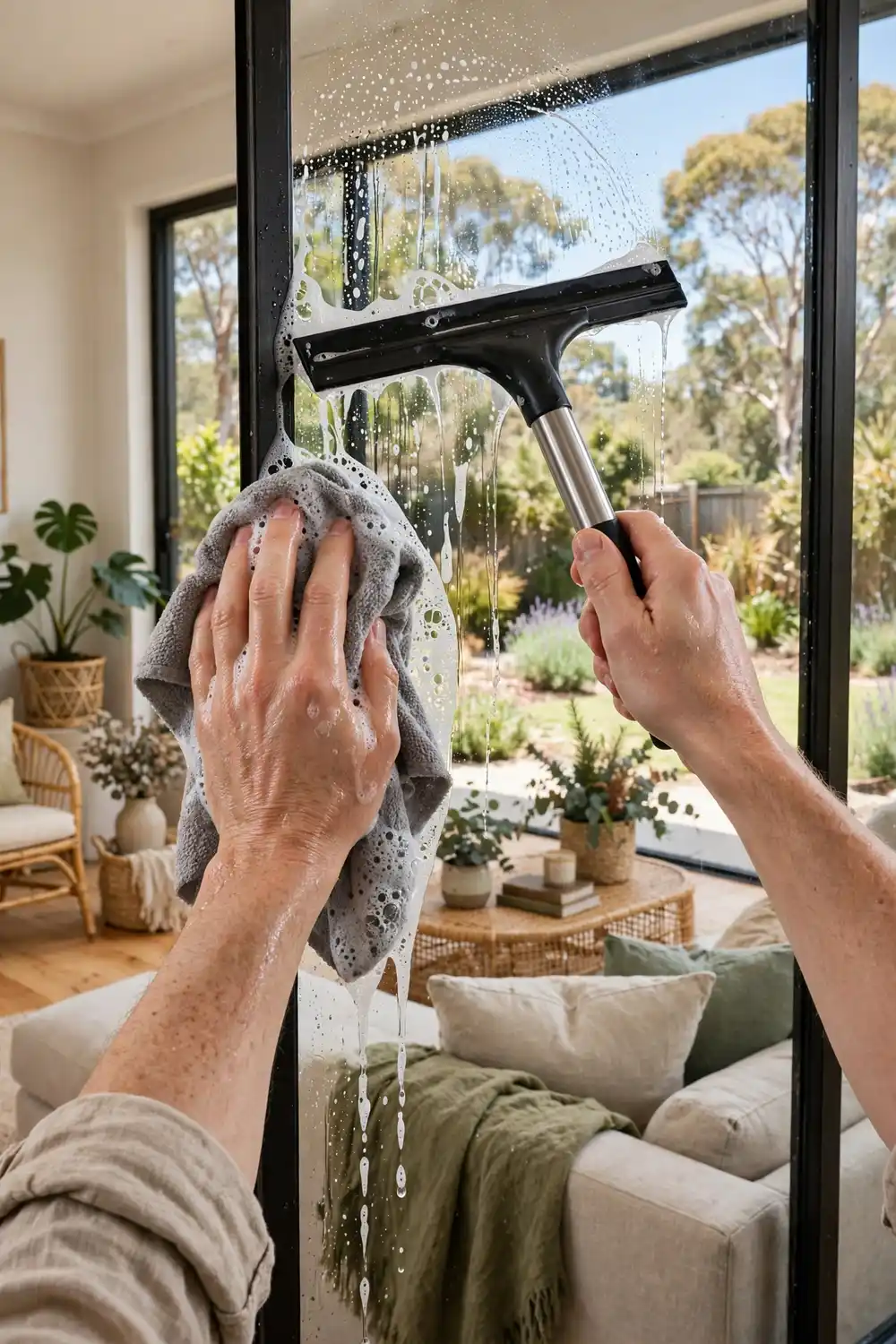
Clean glass changes a whole room, and late spring is the mild window for the job in most cities. Wash the inside of every window, then run a brush or cloth along the tracks and sills where dust and dead insects collect all year. Windows you can see through make the house feel bigger before a single piece of furniture moves.
- Glass, wash inside first for the biggest lift
- Tracks, brush out dust and dead insects
- Sills, wipe down while the cloth is out
5. Check the flyscreens and wash the curtains
Flyscreens earn their keep once mosquito season starts, so check each one for holes and wash them now rather than in January. While you are at it, wash or dust the curtains and blinds, and swap in the lighter summer curtains if you keep a set. Washed soft furnishings also help with hay fever, which peaks through September and October in the south.
- Screens, check for holes, wash before mozzie season
- Curtains, wash or dust, swap to lighter summer sets
- Bonus, cleaner soft furnishings ease hay-fever symptoms
6. Wipe the walls, doors and skirting boards
Walls collect handprints, scuffs and a thin film of dust that you stop noticing until it is gone. Work top to bottom with a microfibre cloth or a flat mop, and take the skirting boards and door frames with you on the same pass. It is the least glamorous job on this list and one of the most visible once it is done.
- Cloth, microfibre or a flat mop
- Direction, top to bottom so dust falls to cleaned floors
- Include, skirting boards and door frames on the same pass
Kitchen
7. Empty the pantry and check every expiry date
Pull everything out of the pantry, wipe the shelves, and check every expiry date before anything goes back. Decant dried goods into airtight containers, which keeps pantry moths out, a common problem in Australian kitchens. Our guide to organising your kitchen has the full method if the cupboards need more than a wipe.
- Shelves, wipe clean while the pantry is empty
- Dates, check every expiry before restocking
- Storage, airtight containers to keep pantry moths out
8. Clean the fridge and freezer, seals included
The fridge seal is where grime hides, so wipe it with mild detergent and water and check it still grips all the way around. Empty the fridge and freezer, wipe every shelf, and pull the units out to clean behind and underneath, where dust, grease and pests gather all year. Switch them off and unplug them first.
- Seal, wipe with mild detergent and water, check the grip
- Shelves, wipe every one while the fridge is empty
- Behind, switch off, unplug, then clean the floor
9. Degrease the rangehood and its filter

Cooking grease coats the rangehood and its filter slowly enough that you stop seeing it. Soak the filter in hot soapy water or run it through the dishwasher, then degrease the hood, splashback and stovetop, letting the degreaser sit briefly instead of wiping at once, which only smears the grease around.
- Filter, soak in hot soapy water or dishwasher
- Hood, degreaser left to sit briefly, then wiped
- Splashback, same pass while the degreaser is out
10. Deep-clean the oven, racks and trays
Ovens collect baked-on spills that laugh at a quick wipe, so this one deserves a proper session. Spread a paste of bicarb and water over the interior and racks, leave it to work, then scrub and rinse clean. Keep the paste bicarb-only, and give the racks and trays the same treatment while they are out of the oven.
- Paste, bicarb and water only, spread and left to work
- Racks, same paste, scrubbed and rinsed
- Trays, cleaned while they are out of the oven
11. Wipe inside the cupboards, tops included
Cupboard tops are the classic overlooked spot, a ledge of dust and grease that nobody sees until they stand on a chair. Wipe inside every cupboard and drawer, then run a cloth across the tops too. While the cupboards are empty is also the moment to throw out the chipped mugs and orphaned lids.
- Inside, wipe every cupboard and drawer
- Tops, cloth across the ledge nobody sees
- Cull, chipped mugs and orphaned lids out
12. Descale the kettle and coffee machine
Scale builds up quietly in kettles and coffee machines, and a descale now means better-tasting hot drinks all summer. Run white vinegar through the kettle or the machine’s descale cycle, following the manufacturer’s instructions, then rinse thoroughly with fresh water. Keep vinegar away from natural stone, hardwood, enamelled porcelain, cast iron, rubber seals and damaged grout, and never mix it with bleach or peroxide. Check the manual first, since some machines specify their own descaling product.
- Product, white vinegar unless the manual says otherwise
- Method, descale cycle per the manufacturer’s instructions
- Finish, rinse thoroughly with fresh water
13. Clean under the sink and clear out old products
Under the sink is where half-empty bottles and expired cleaners go to hide. Pull everything out, wipe the cupboard, and dispose of expired cleaning products through your council’s hazardous-waste drop-off, never in general rubbish. The full under-sink cleaning routine lives in our kitchen sink cleaning guide, so this job is a tidy and a clear-out rather than a second lesson.
- Clear-out, expired products to council hazardous waste
- Wipe, cupboard floor and walls while empty
- Detail, full routine in the kitchen sink guide linked above
Bathroom and laundry
14. Mould check, treated to the NSW Health protocol
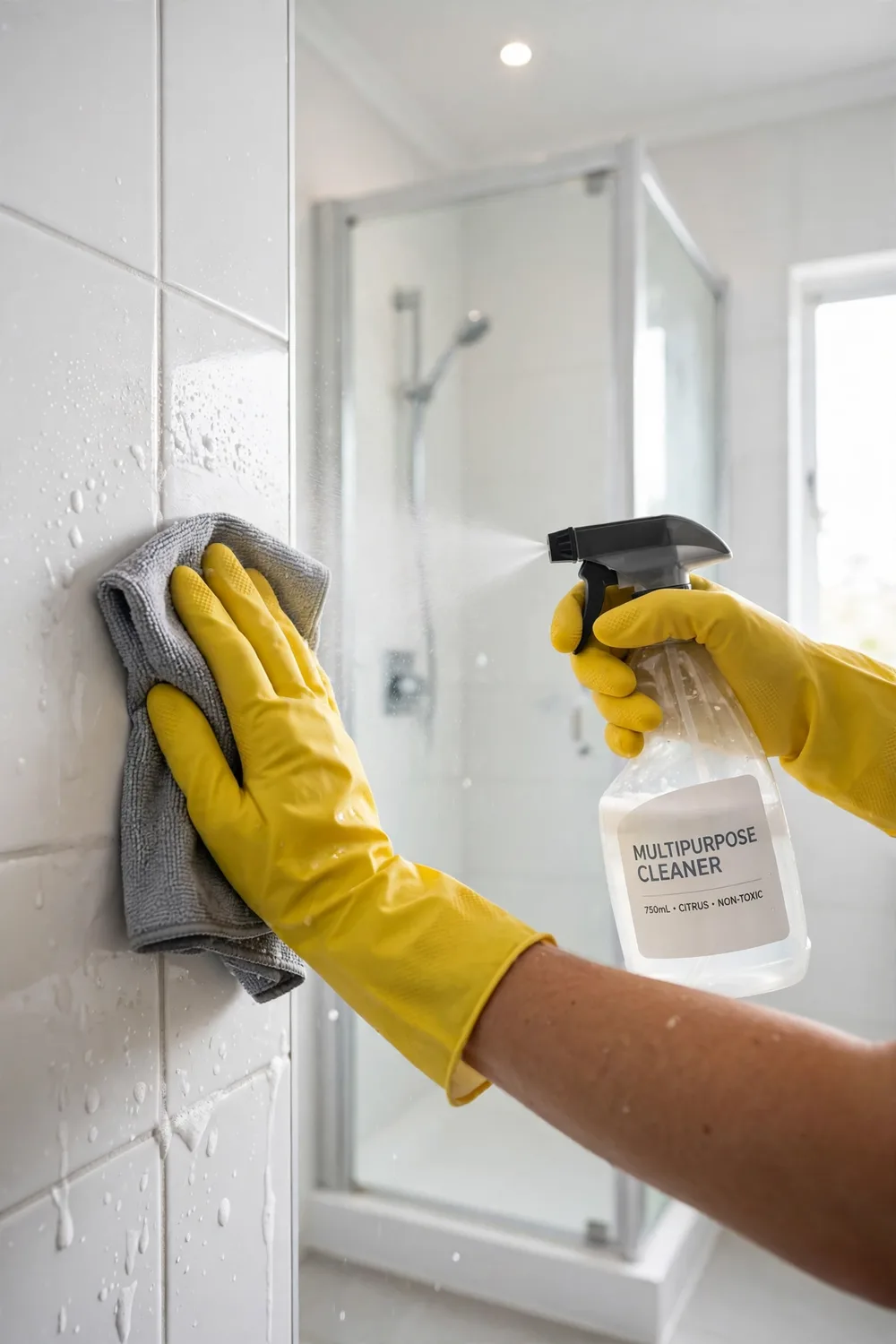
Mould returns unless its cause is fixed, so check behind mirrors and furniture, under mattresses and inside cupboards, anywhere with minimal airflow. Never dry-brush mould, which releases spores into the air. Clean it with mild detergent or vinegar diluted in water, four parts vinegar to one part water, and if mould will not shift and the item cannot be discarded, use diluted bleach, 250 mL in 4 L of water, with gloves, safety glasses, safety shoes and good ventilation. Absorbent materials such as carpet may need professional cleaning or replacement. Our mould removal guide carries the full protocol.
- Check, behind mirrors and furniture, under mattresses, inside cupboards
- Rule, never dry-brush, it releases spores
- Routine, detergent or vinegar diluted four parts to one
- Stubborn, diluted bleach 250 mL in 4 L, gloves, safety glasses, safety shoes and ventilation
- Limit, absorbent materials may need a professional
15. Scrub the grout and silicone and descale the shower heads
Spray the shower, tub, sink and toilet first and leave the cleaner for ten to fifteen minutes so soap scum breaks down before you scrub. A grout brush or an old toothbrush gets into the corners and tile lines, and the shower heads and taps deserve a descale on the same pass. Mould on sealant needs a proprietary cleaner used exactly per its label, with the room well ventilated.
- Wait, spray first, leave ten to fifteen minutes
- Corners, grout brush or old toothbrush for tile lines
- Heads, descale shower heads and taps together
- Sealant, proprietary cleaner per label, ventilate well
16. Wash the bath mat and shower curtain and clear out old products
Bath mats and shower curtains collect soap scum and damp that you stop noticing. Wash them both, then clear out the bathroom cabinet, old medicines to the pharmacy take-back and expired products in the bin. A lighter cabinet makes the morning routine faster for the rest of the year.
- Mat, wash the bath mat
- Curtain, wash the shower curtain
- Cabinet, old medicines to pharmacy take-back
17. Run a washing-machine clean cycle and clear the dryer vent
Pull the washing machine and dryer out and clean underneath and behind them, then run an empty hot cycle with a machine-cleaner tablet. Clean the dryer lint trap and the exhaust duct as well, because a clogged duct is a genuine fire risk. This is a small job with an outsized safety payoff.
- Cycle, empty hot wash with a machine-cleaner tablet
- Behind, pull both machines out and clean the floor
- Duct, clear the lint trap and exhaust vent, a fire risk if clogged
Bedrooms
18. Swap the winter bedding for summer
Heavy winter doonas and flannelette sheets have done their season, so swap them for lighter summer bedding and wash or air the pillows and doonas before they go into storage. Lighter bedding and a freshly aired mattress make the first hot nights far easier to sleep through.
- Swap, winter doonas out, lighter summer bedding in
- Pillows, wash or air before storing
- Doonas, aired and stored clean
19. Vacuum the mattress and flip or rotate it
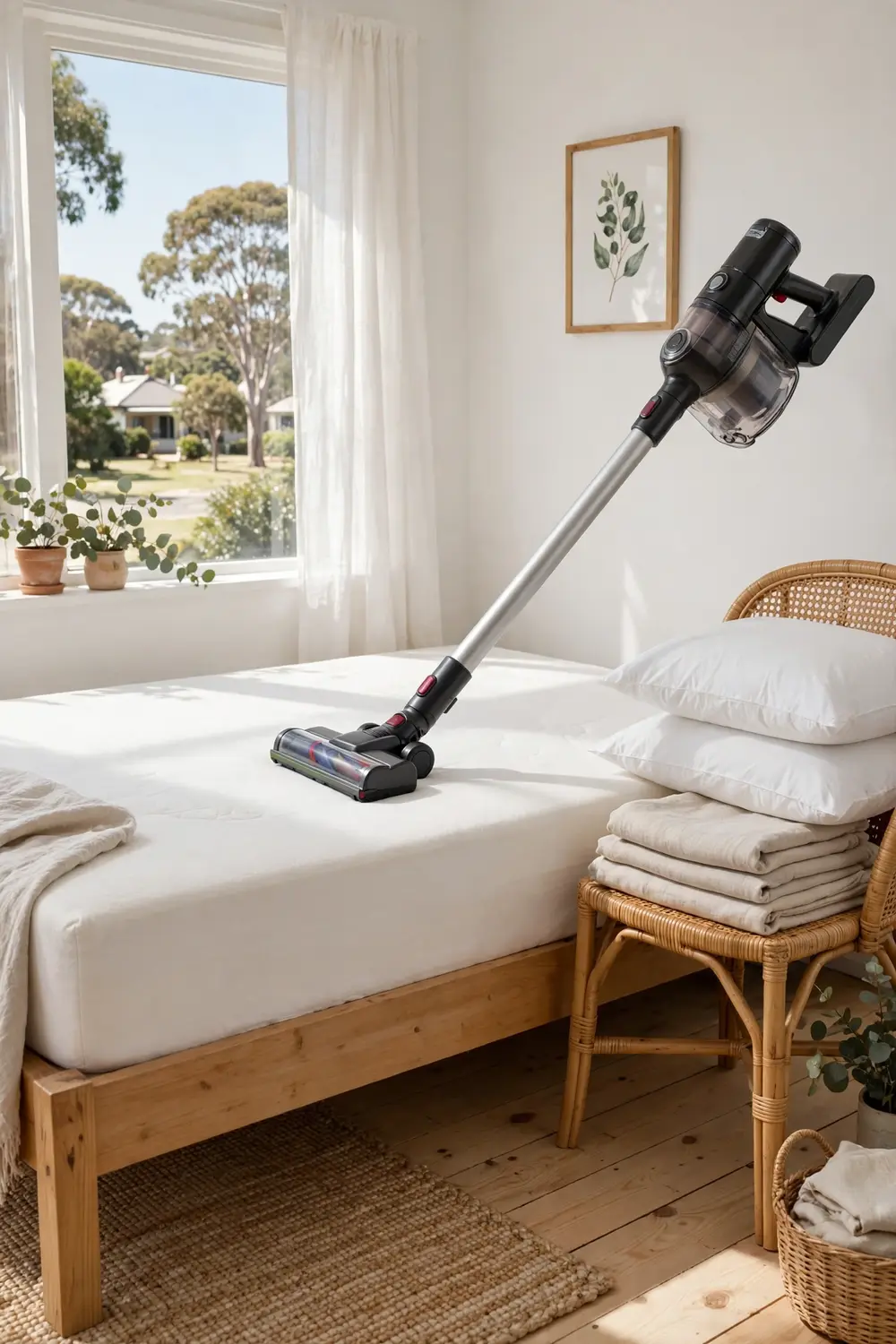
Strip the bed and vacuum the mattress thoroughly, then sprinkle bicarb over it, leave it a few hours to absorb moisture and odours, and vacuum again. Flip or rotate the mattress to spread the wear evenly. Blot any stains with gentle detergent and cold water, and let the mattress dry completely before the sheets go back on.
- Vacuum, thorough pass over the whole mattress
- Bicarb, sprinkle, leave a few hours, vacuum again
- Rotate, flip or turn to spread wear evenly
20. Sort the wardrobes for the new season
Use the twelve-month rule, if it has not been worn in a full year through all four seasons, it probably will not be worn. Bring the summer clothes forward, pack the winter gear away clean, and donate wearable clothing to Vinnies, Salvos or The Smith Family. A wardrobe with space in it is easier to use every single morning.
- Rule, unworn for twelve months goes
- Swap, summer clothes forward, winter gear packed clean
- Donate, wearable clothing to Vinnies, Salvos or The Smith Family
Living areas
21. Vacuum under and behind the couch and wash the covers
Pull the couch out from the wall and vacuum underneath and behind it, where dust, crumbs and lost things collect for months. Wash the cushion covers and throws while the couch is accessible. It is a twenty-minute job that makes the whole living room feel reset.
- Behind, pull the couch out and vacuum the floor
- Under, vacuum the gap the couch normally hides
- Covers, wash cushion covers and throws
22. Vacuum the rugs and carpets, furniture moved
Rugs trap a season of dust, so move the furniture and vacuum underneath, not just around the edges. A slow pass beats a fast one here, and the difference underfoot is immediate. If a rug has a stain you have been ignoring, treat it now while the room is already upside down.
- Move, furniture shifted so nothing is skipped
- Pace, slow passes over rugs and carpets
- Stains, treat while the room is already moved
Outdoors
23. Sweep the patio or deck and wipe the outdoor furniture
Hose the patio or deck down, sweep it clean, and wipe the outdoor furniture with a soft brush and detergent. Check timber joinery for weathering, and give it a light sand and re-oil if it needs it. A quick deck survey belongs here too, look for rot, broken boards, cracks and protruding nails before summer entertaining starts.
- Deck, sweep and hose, survey for rot and loose nails
- Furniture, soft brush and detergent, re-oil timber if weathered
- Finish, everything dry before cushions come back out
24. Clean the barbecue and check the gas fittings

Degrease the grates and check the gas fittings and hoses for deterioration before the first big cook-up. A barbecue that has sat all winter can hide a cracked hose or a blocked burner, and both are easier to fix now than with guests waiting. Wipe the exterior down and you are ready for summer.
- Grates, degrease thoroughly
- Gas, check fittings and hoses for deterioration
- Exterior, wipe down while the tools are out
25. Clear the gutters safely and hose down the bins
Clear the leaves from the gutters before summer storms arrive, working only from a stable ladder with someone holding it, and hire a professional for a two-storey home. Hose the bins down while you are outside. Gutter cleaning costs and timing are covered in our gutter cleaning guide if you would rather hand the job over.
- Ladder, stable, held by someone, two-storey means a professional
- Leaves, cleared before summer storms
- Bins, hosed down on the same trip outside
Frequently asked questions
When should I start spring cleaning in Australia?
Late August or early September is the practical window in most of the country, and September to November is the season itself. If you are starting now, in late spring, work through this list before summer arrives and treat the September start as background, not a deadline you have missed.
Should I clean the gutters myself?
Only from a stable ladder with someone holding it. For a two-storey home, use a professional, and never lean out from a ladder or work in wet or windy conditions.
How do I dispose of old paint and household chemicals in Australia?
Dried or separated paint goes through Paintback or your council’s hazardous-waste drop-off, and the same applies to oils, batteries and chemicals. None of them belong in general household waste, so check your council’s website for the nearest free drop-off.
The bottom line
Twenty-five jobs sounds like a lot until you notice how many of them take twenty minutes. Work top to bottom, one room at a time, and let the checklist carry the decisions. By the time the last gutter is clear and the fans are spinning clean, the house will be ready for summer, and you will have earned the first barbecue.