Ants marching across the kitchen bench at breakfast will test anyone’s patience. You want them gone, but reaching for a chemical spray every time feels like overkill, especially with kids and pets in the house. A pantry staple you already own might do the gentler job instead.
As a cinnamon pest repellent, ground cinnamon, sticks and oil spray can put common household pests off your home without harsh chemicals. This guide covers the ten pests it deters around Australian homes, how to use each form, where to place it, and where its limits sit. It also covers the safety rules for pets and kids, since the oil form needs more care than the spice.
What makes cinnamon a pest repellent
Cinnamon works on the nose. Its strong scent overwhelms the sense of smell that many insects rely on to find food and follow each other, and it scrambles the scent trails ants lay down for their nest mates.
The main scent compound is cinnamaldehyde, and eugenol is present too. The smell itself does the job, and no measuring or mixing beyond the recipes below is needed.
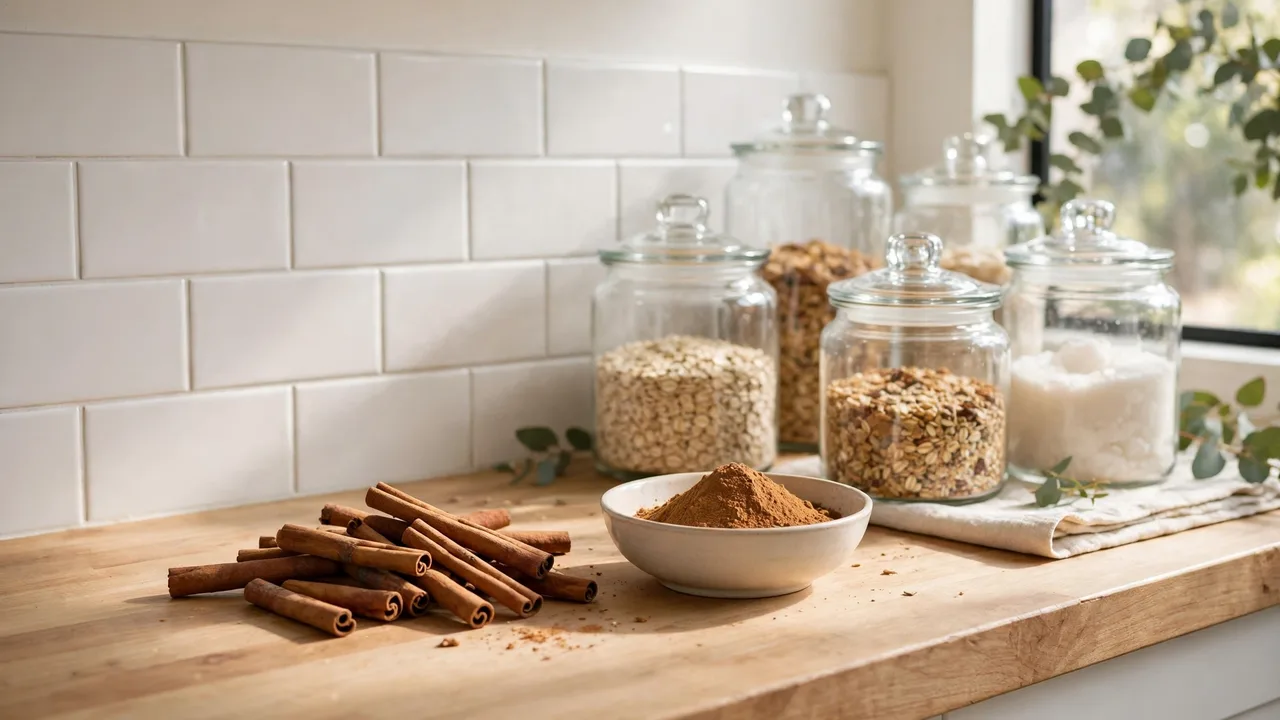
Ground cinnamon releases its scent fast and is easy to sprinkle in lines, but it fades within a couple of days. Sticks give off a gentler scent for weeks and suit shelves and drawers. The oil is the strongest form and belongs in diluted sprays, never neat on skin or surfaces.
Two recipes cover most uses. The spray most sources agree on is simple. Mix 2 teaspoons of ground cinnamon per 4 cups of warm water, steep it overnight and strain it into a spray bottle.
For a stronger spray, mix 10–15 drops of cinnamon essential oil with water and a small amount of dish soap.
One thing to get right before you start is the difference between cinnamon and cinnamon sugar. Cinnamon sugar is mostly sugar with a little spice, and sugar attracts the very pests you want to keep out. Use plain ground cinnamon, whole sticks or essential oil only.
| Form | Strength | How long it lasts | Best for | Watch out |
|---|---|---|---|---|
| Ground powder | Strong at first | A couple of days | Lines at entry points | Needs reapplying often; can stain light surfaces |
| Sticks | Gentle, steady | Weeks | Shelves, drawers, pantry | Scent fades; replace when it weakens |
| Essential oil spray | Strongest | Days on a surface | Windowsills, outdoor seating | Dilute always; keep away from cats and kids |
Cinnamon pest repellent: 10 pests it deters around Australian homes
Not every pest reacts the same way. Ants and silverfish are put off easily, while cockroaches barely notice it. Here is what to expect from each of the ten, and how to use cinnamon for each one.
Ants
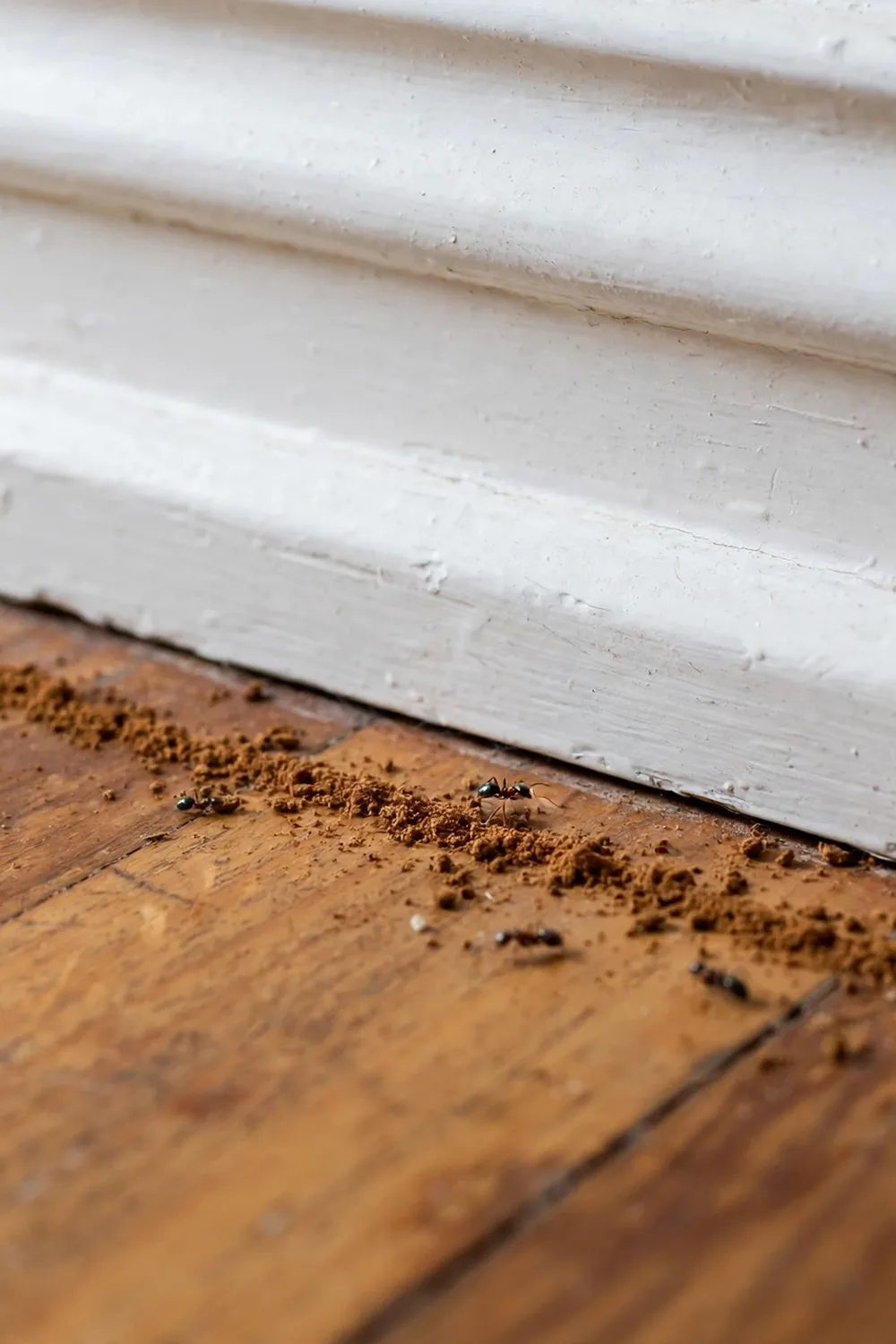
Ants are the pest cinnamon handles best. They follow scent trails laid down by scout ants, and a line of ground cinnamon across that trail breaks the signal. The ants scatter, lose the path, and usually look for an easier route.
- Where — along skirting boards, around door frames and window sills where ants come in
- Which form — ground powder for lines, sticks at pantry entry points
- How often — reapply every 2–3 days, and after mopping or rain near outdoor doors
It only works while there is no nest inside the house. If ants keep returning from the same spot, the nest is nearby and cinnamon will only buy you time.
Cockroaches
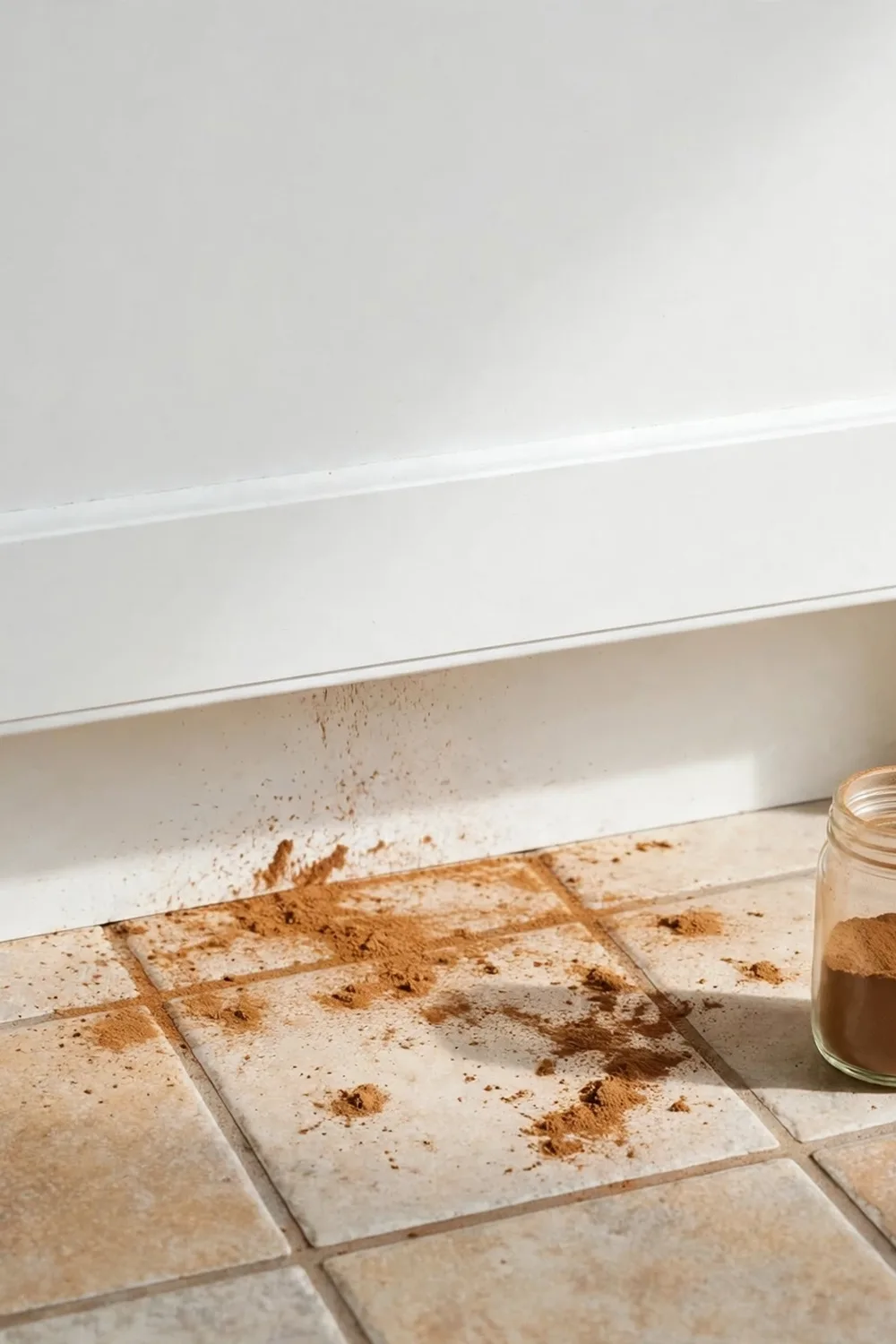
Cockroaches are a different story, and honesty matters here. Cinnamon may put them off a spot, but its impact on cockroaches is minimal and it will not clear an infestation.
- Best for — a light dusting of powder at kitchen entrances, window sills and back doors as a small extra barrier
- Watch out — do not rely on it alone; seal food in containers, wipe benches at night and fix dripping taps, since food and water draw cockroaches in far more than scent puts them off
Think of cinnamon as a minor helper for cockroaches, not a solution. A serious cockroach problem needs a professional.
Silverfish

Silverfish love damp, dark places and starchy food, which makes bookshelves, linen cupboards and bathroom drawers their usual haunts. They dislike strong scents, and cinnamon is one they avoid.
- What to use — cinnamon sticks on shelves, or essential oil dabbed in dark corners with a cotton swab
- Where — bookshelves, linen cupboards, bathroom drawers and any room that stays damp
- How often — replace sticks every few weeks as the scent fades
Cinnamon works here as a preventative only. It will not kill silverfish or clear an established population, so pair it with the basics. Dehumidify damp rooms, vacuum often and seal cracks where they hide.
Pantry moths and weevils

Pantry moths and weevils arrive with dry goods and settle into flour, rice and cereal. Cinnamon sticks in the pantry put them off, but they are a helper, not the fix.
- If you spot webbing or tiny moths in the pantry — throw out the affected packets, wipe the shelves and put sticks beside the dry goods
- If you want lasting protection — sealed containers do the real work; cinnamon only adds a scent barrier around them
- If the problem keeps coming back — check every packet, including pet food and birdseed, since one overlooked bag restarts the cycle
Sticks go beside dry goods, never inside open packets. Keep them in the pantry itself, where the scent can spread.
Spiders
Spiders are worth a second thought before you deter them. They eat flies, clothes moths, cockroaches and mosquitoes, so many households leave them alone. If you would rather keep them out of a room, cinnamon can help.
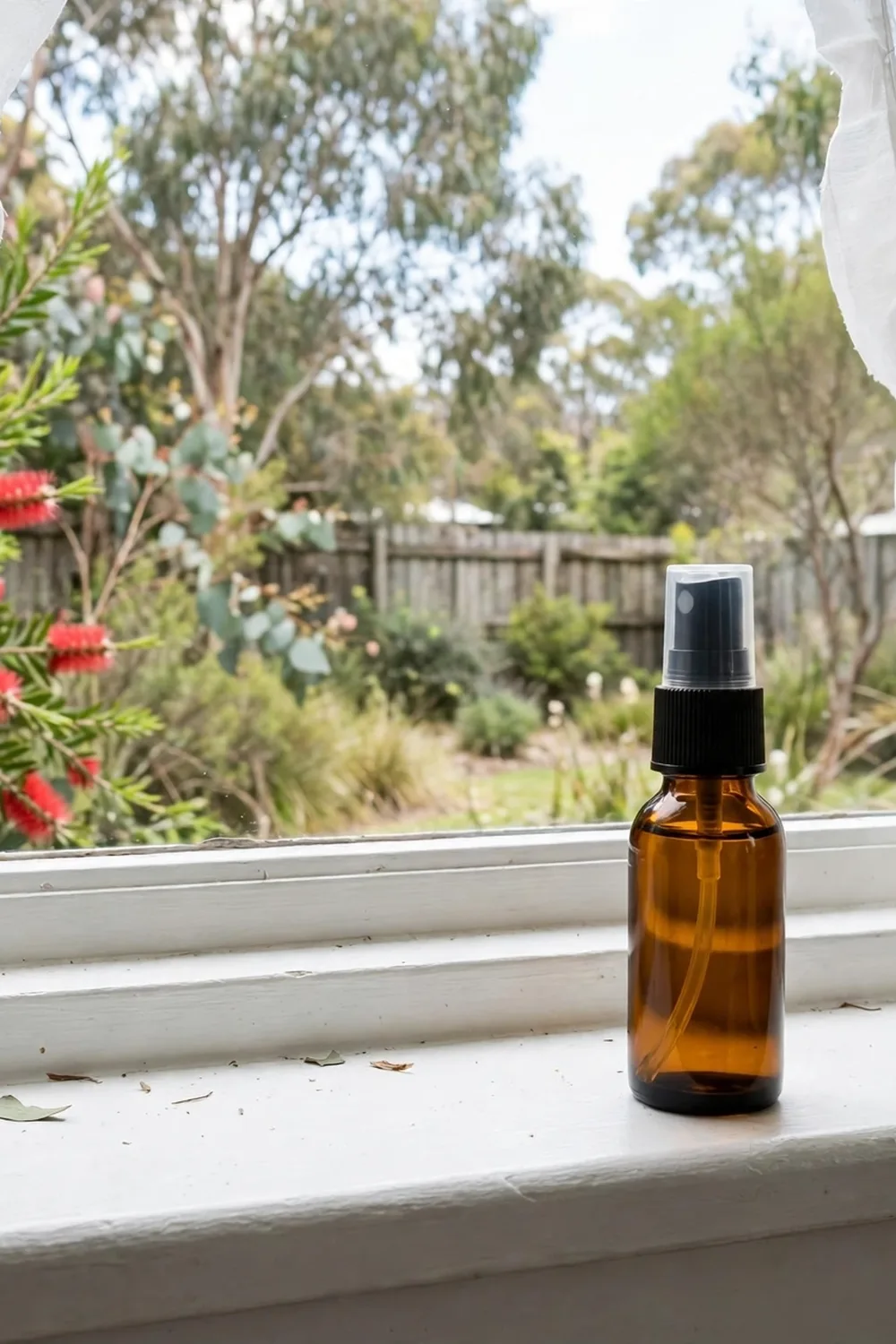
- Method — sweep webs first, then spray diluted cinnamon oil along window frames and corners to discourage rebuilding
- Other option — cinnamon incense or candles give off the same scent in a room
- Where — bedrooms and living areas where webs keep appearing
The spray needs reapplying every few days as the scent fades. And remember that a spider-free room is a choice, not a must; the spiders were doing quiet pest control of their own.
Fruit flies
Fruit flies arrive with ripe fruit and linger around the bowl. Cinnamon sticks tucked among the fruit give off a scent that disrupts their pheromones and puts them off settling.
- The trick — a couple of sticks in the fruit bowl, plus a spray of cinnamon water around the bench if flies are hovering
- The limit — the effect is mild; ripe fruit still needs covering, and overripe pieces should go in the compost or the bin with the lid shut
Cinnamon helps with the flies you can see. It does nothing about the fruit itself, so the bowl still needs attention every day.
Mosquitoes

Mosquitoes are scent-driven, and cinnamon oil is one of the scents that puts them off. It works best outdoors, around seating where you sit in the evening.
- Works for — oil spray around outdoor seating and verandah posts; a few drops in standing water you cannot drain, such as a birdbath
- Don’t expect — a home spray to match a shop-bought repellent, or protection that lasts all evening
For skin, use cinnamon oil only diluted in a carrier oil such as coconut oil, and reapply every 30–45 minutes. Never use it undiluted, and never spray it on skin. Tipping out standing water still beats any spray; the drops are only for water you cannot empty.
Houseflies
Houseflies follow food smells, and cinnamon water around bins can make the area less inviting for egg-laying. It is a mild deterrent, not a barrier.
- Spray the settled cinnamon water around bin lids and outdoor eating areas
- Light cinnamon incense sticks on the patio when you eat outside
- Keep bins shut and emptied, since no scent covers up food waste
Flies will still come if food is left out. Cinnamon helps at the edges; clean bins and covered food do the heavy lifting.
Wasps
European wasps are the wasp most Australian households meet, and they turn up in late summer around outdoor tables. Bowls of ground cinnamon or a spray of the settled recipe around the table can put them off the area.
- Where it helps — around an outdoor table and food spread, refreshed through the afternoon
- Where it doesn’t — anywhere near a nest; never approach a wasp nest, and call a professional for nest removal
Keep food covered and drinks lidded while you eat outside. Cinnamon is a table-side helper; it is not nest control.
Rats and mice
Rodents follow their noses to food, and a strong cinnamon scent around entry points can mask the smells that draw them in. It is a small part of rodent control, not the whole job.
- The method — powder or spray at entry points, and bundled sticks in drawers and cupboards where droppings have appeared
- The honest limit — cinnamon alone will not fix a rodent problem; bins need to shut tight, food needs proper storage, and gaps need sealing
Rodents often nest in garages and sheds, where the full routine matters more than any single scent. For the full picture on where they nest and how the routine runs, see our guide to pests in garages and sheds.
What cinnamon won’t do

Cinnamon is a mild, short-term deterrent, and it helps to know its edges before you rely on it. It will not eliminate an established ant colony, no matter how much powder you put down. It will not clear a cockroach infestation, and it will not solve bedbugs; bedbugs need professional treatment.
Pests also migrate to untreated parts of the home. Treating one room while the next is untouched just moves the problem along the hallway, and putting cinnamon everywhere is not practical. For ants and cockroaches that keep coming back, our guide to diatomaceous earth for pest control covers the longer-lasting option.
Vinegar is the other pantry deterrent worth knowing about. It deters many of the same pests in a different way, and our vinegar pest control guide covers it. Neither cinnamon nor vinegar eradicates pests; both simply make your home less inviting.
Using cinnamon safely around pets and kids
Cinnamon is a food spice, but the essential oil is a different matter around pets. The oil can irritate a cat or dog’s mouth, skin and lungs, and larger exposures can cause liver problems and heart-rate changes. Never diffuse cinnamon oil in rooms where cats spend time.
Ground powder is low-risk unless a pet eats more than about a teaspoon, which can cause vomiting and diarrhoea. Dogs that inhale loose powder can cough or choke, so sprinkle it low and away from where pets sniff around. Keep sticks in enclosed spaces pets cannot reach, or use diluted sprays on surfaces and let them dry completely before pets walk over them.
Store the oil out of children’s reach, and keep powder off light-coloured surfaces where it can stain. A quick wipe after sprinkling keeps benches and shelves clean.
Frequently asked questions
How do you use cinnamon to repel bugs?
Sprinkle ground cinnamon in small cups inside cupboards and cabinets, or along the entry points where insects come in. For a spray, mix 2 teaspoons of ground cinnamon into 4 cups of warm water, steep it overnight, strain it into a spray bottle and use it around windows, doors and skirting boards. Cinnamon sticks work at entry points too, tucked into corners and along shelves.
Does sprinkling cinnamon keep bugs away?
Yes, as a deterrent. The scent and the powdery texture put insects off, and ants in particular avoid crossing a cinnamon line. It does not kill them, and it needs reapplying every few days as the scent fades.
What kind of bugs does cinnamon repel?
Ants, cockroaches, spiders, fruit flies, rats, wasps, earwigs, silverfish and mosquitoes all show avoidance, though the effect is mild and short-lived. Cockroaches and bed bugs are barely affected, so cinnamon is not the answer for either of those.
Does cinnamon attract ants?
No, it repels them. Ants cannot stand the smell, and cinnamon disrupts the scent trails they follow. Sprinkling it on a trail scatters the ants and breaks their path back to the nest.
Bottom line
Cinnamon will not replace proper pest control, but as a cinnamon pest repellent it earns its place in the pantry. Start with the pests it handles best — ants, silverfish and pantry moths — use the form that suits each spot, and keep expectations honest about the rest.