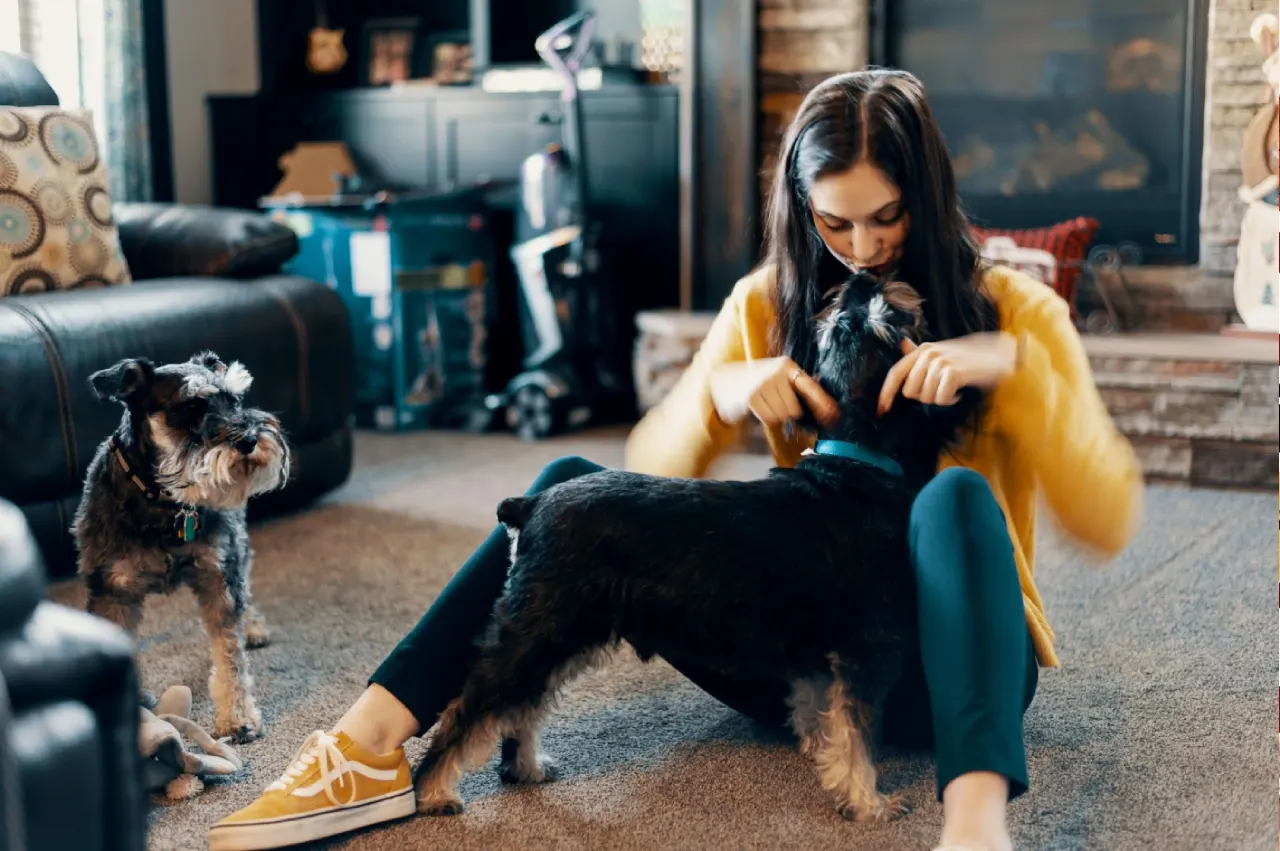
A new puppy is a bundle of joy with a mouth full of tiny, sharp teeth and absolutely no sense of danger. Puppies like to experience the world by chewing, licking, and smelling things, which means that a home that is normally safe for a human can hold a ton of hazards at the floor level.
The good news is that puppy-proofing can be relatively simple and inexpensive, with a little bit of planning. If you’re still searching for your pup, start with a breeder who follows a code of ethics. Browsing registered dog breeders in your state is a good first step before you commit to getting a dog, and a good breeder will happily tell you what to prepare before pickup day.
In this guide, we will go through each room and discuss what you need to check on per room. These tips can apply for both houses, units, and rentals alike.
Before you start: the puppy’s-eye walkthrough
It’s good to get down to your puppy’s level to see what they can encounter – anything they can chew, swallow, climb, or knock over. Be sure to do this a week before getting your puppy so you have time to order gates, cord covers, and latches that you’ll need to be puppy-proof.
It’s also wise to set up a safe zone, such as a playpen, crate, or room with a hard floor where your pup can feel secure. Be sure to also prepare for the things your dog will reach when he grows to full size.
Living room
Living rooms are full of soft furniture, cables and small objects, which makes them prime targets for puppy chewing.
- Electrical cords. Puppies can chew on cords and get shocked. Have cord covers to protect your cords and unplug anything that isn’t in use.
- Remote controls, phones and chargers. Batteries are a serious hazard if chewed or swallowed, so keep these out of reach.
- Shoes, socks and kids’ toys. Establish a rule with kids that nothing gets left on the floor so that nothing dangerous or cherished gets chewed on, and the pup can focus on his own chew toys instead.
- Houseplants. Many common plants can upset a dog’s stomach or worse. Move anything you’re unsure about out of reach, and check our guide to easy-care houseplants before you buy new ones. If you aren’t sure whether a plant is safe, ask your vet.
Kitchen
A lot of dangerous food and chemicals can be found in the kitchen, and puppies are very good at finding them.
- Bins. Use a bin with a secure lid, or keep it inside a cupboard with a child-safe latch.
- Cleaning products and dishwasher tablets. Store them in a high cupboard or behind a childproof latch.
- Foods that are dangerous for dogs. Keep these well out of reach: chocolate, grapes, sultanas and raisins, onions and garlic, macadamia nuts, and anything sweetened with xylitol.
- Benches and low tables. Don’t leave food, baking or hot drinks within reach, and push things back from the edge.
- Cupboards at floor level. Latches are cheap and worth the effort.
Bathroom and laundry
Keep doors closed wherever you can if you don’t want your pup wreaking havoc.
- Toilet lid. Keep it down. Toilet cleaner and blue tablets are harmful, and a puppy can fall in while trying to drink water from it.
- Medications. Human medications are among the most common causes of pet poisoning. Store them in a closed cabinet.
- Razors, toothpaste and cosmetics. Keep them stored safely away.
- Washing machine and dryer. Always check inside to make sure a pup didn’t crawl inside for a nap.
- Dirty laundry. Socks, underwear and towels are a classic choking hazard, so use a lidded hamper if possible.
- Detergents and softeners. Store them high, and wipe spills up carefully.
Bedrooms
- Floor clutter. Shoes, socks, hair ties and charging cables can all end up getting chewed.
- Medications and supplements. Keep them in a drawer, not on the bedside table.
- Bed rules. Decide early whether your puppy is allowed on the bed. It’s much easier to set the rule on day one than to change it later.
- A bed for the puppy. A cosy bed or crate in or near your bedroom helps a young puppy settle at night.
Garage and shed
Garages and sheds hold some of the most dangerous items in the home, so the safest approach is to keep the door closed and the area out of bounds.
- Pest baits and poisons. Rat and mouse baits, snail bait and ant poisons can be fatal to dogs. If you have pests, check the label and ask a professional about pet-safe options.
- Chemicals. Antifreeze and coolant, fertiliser, paint, pool chemicals and solvents are all dangerous to dogs.
- Tools and small hardware.
- Cuts and sharp edges.
Backyard and outdoor areas
Puppies will likely spend a lot of time in the backyard, so make sure it’s a safe space for them to roam.
- Fencing. Walk the boundary and look for gaps and spots where a puppy could dig under.
- Gates and latches. Make sure they close securely.
- Pools and water features. Pool fences and gates must comply with state rules. Never leave a puppy unsupervised near water.
- Toxic plants. Several garden plants can be poisonous to dogs, so avoid planting anything that you haven’t checked is perfectly safe.
- Mulch, compost and fertiliser. Cocoa mulch can be toxic to dogs, and mouldy compost and fertiliser should be safely kept away.
- Heat and shade. Provide plenty of shade and fresh water to prevent them from overheating.
- Local wildlife. In some regions, cane toads and snakes can hurt your pets. Supervise your puppy whenever he ventures outside.
Quick puppy-proofing checklist
Use this as a final run-through before your puppy comes home.
- Cords covered or out of reach
- Small objects, shoes and remotes picked up
- Houseplants checked and moved
- Bins secured
- Cleaning products, medications and chemicals locked away
- Dangerous foods stored out of reach
- Toilet lid down, laundry doors closed
- Garage and shed closed or blocked
- Fences and gates checked
- Pool and water access secured
- Toxic garden plants identified
- Stairs and balconies gated
- Safe zone set up
What to do if something goes wrong
Even with careful preparation, accidents can still happen. If you think your puppy has swallowed something harmful, don’t wait for symptoms and bring them to the vet right away. Keep the package of the thing they ingested on hand so that your vet can know exactly how to treat it.
Final thoughts
Puppy proofing requires planning before the pup comes and continual adjustments as the dog grows. Be sure to revisit this checklist every few months to see how you can keep your dog safe at all times.


