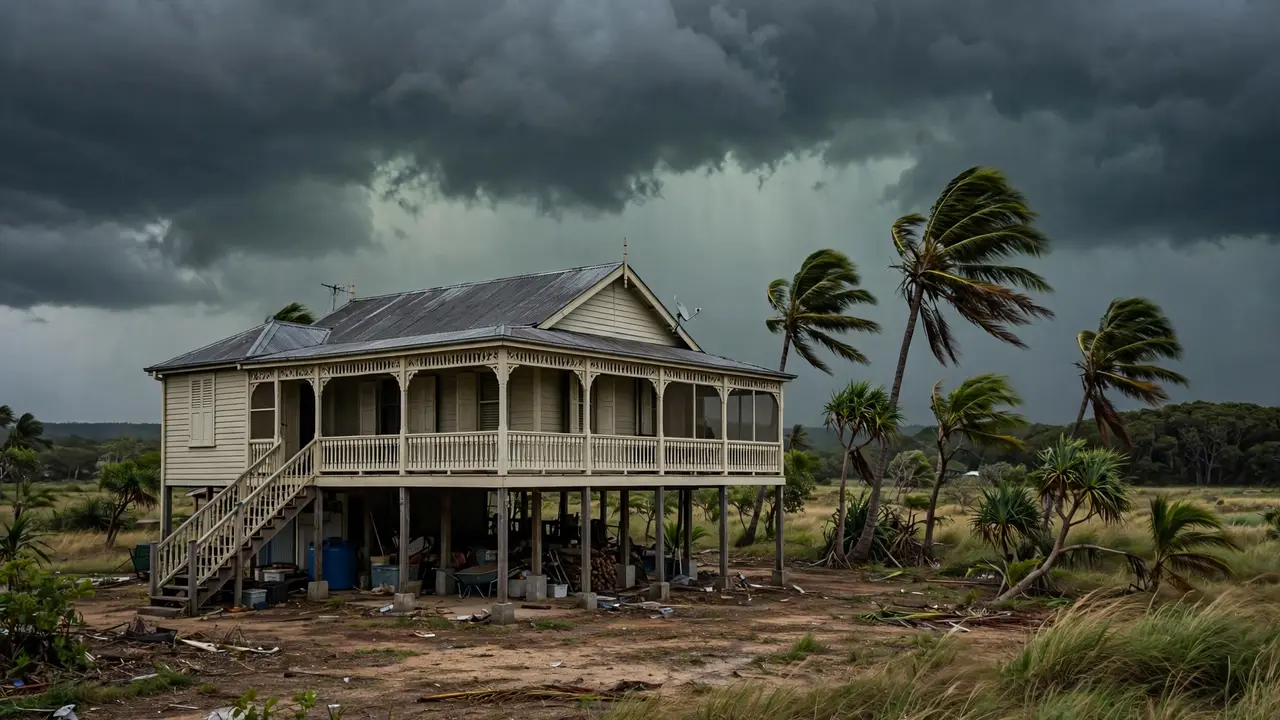
November arrives quietly, and then it doesn’t. Australia’s cyclone season runs from November to April, and the homes that come through it best are the ones that were made ready in the calm weeks before it, not the frantic days in front of a warning.
If you live in the north or anywhere storm-prone, the work is unglamorous and entirely doable. Loose sheets get fixed, gutters get cleared, the kit gets packed, and the family learns the plan while the weather is still boring.
This cyclone preparation checklist Australia households need is a weekend of work, done zone by zone. Every item comes from the SES and insurer guidance Australians are actually given, and all of it happens in calm weather, well before anything spins up offshore.
Start with the roof and gutters
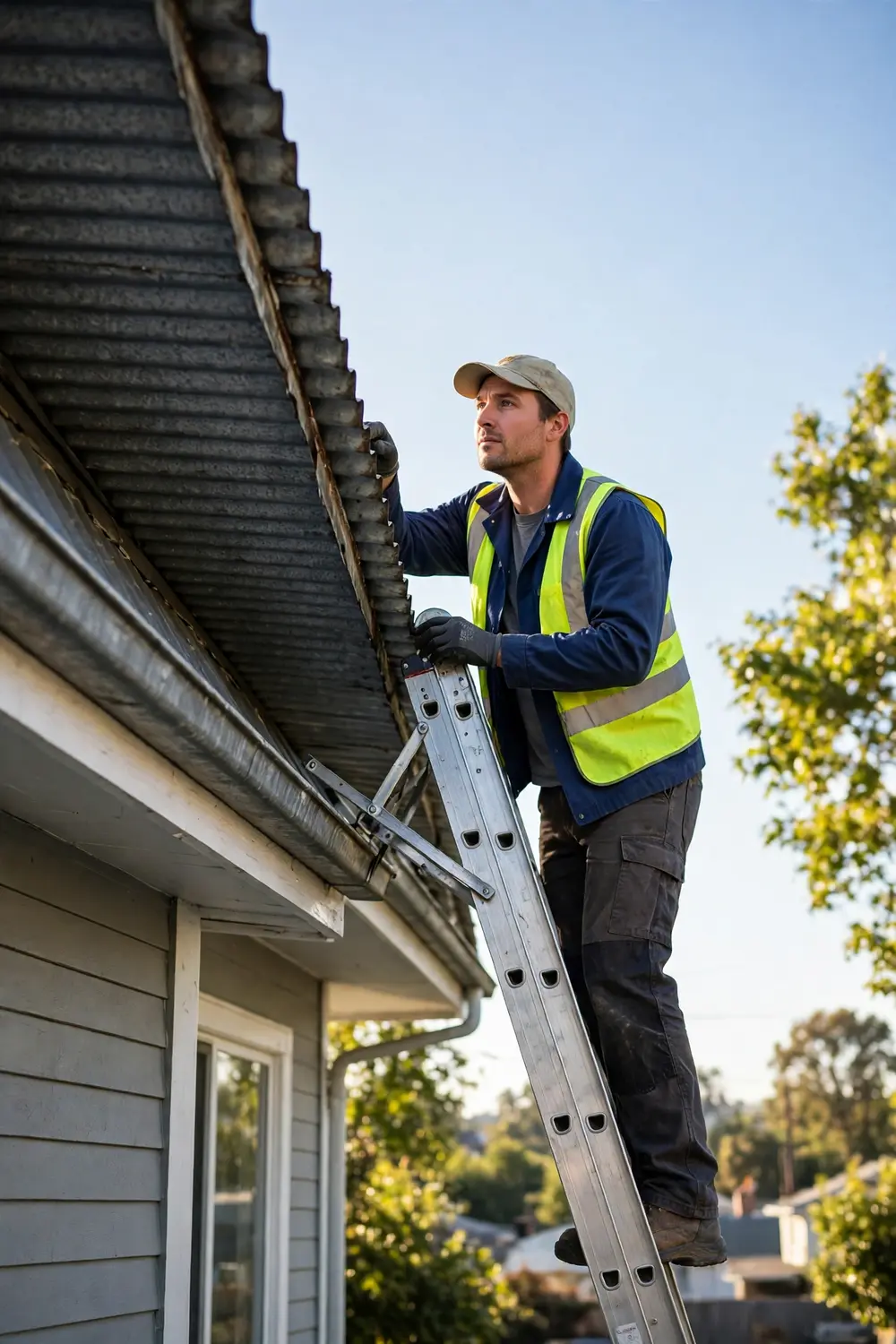
The roof takes the wind and the gutters take the water, and both fail quietly long before a storm tests them. Check the roof from the ground, or pay a professional to inspect it, and fix what months of sun have loosened.
Work to the same rhythm if you use a ladder. Follow ladder safety basics, keep three points of contact, and never stretch a job because the light is going.
- Check, loose tiles, metal sheets and screws, plus leaks you already know about
- Clear, dirt and leaf build-up, which blocks the drainage channels water needs in a downpour
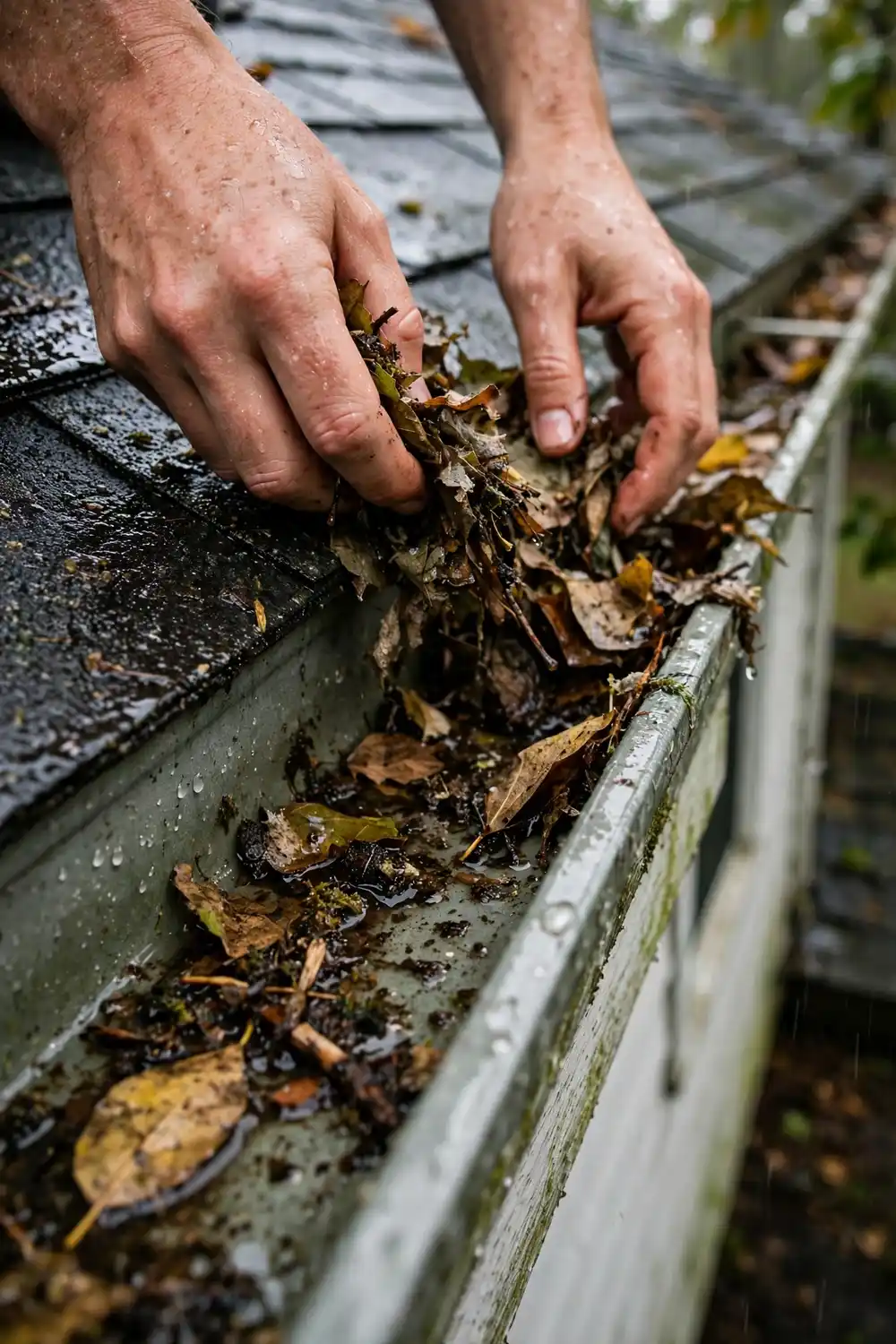
- Gutters and downpipes, emptied so rain runs off the roof instead of backing up under the eaves into the roof cavity
That last job deserves its own hour and its own guide. Our gutter clean before rain prep guide works through it properly.
Trees and the yard
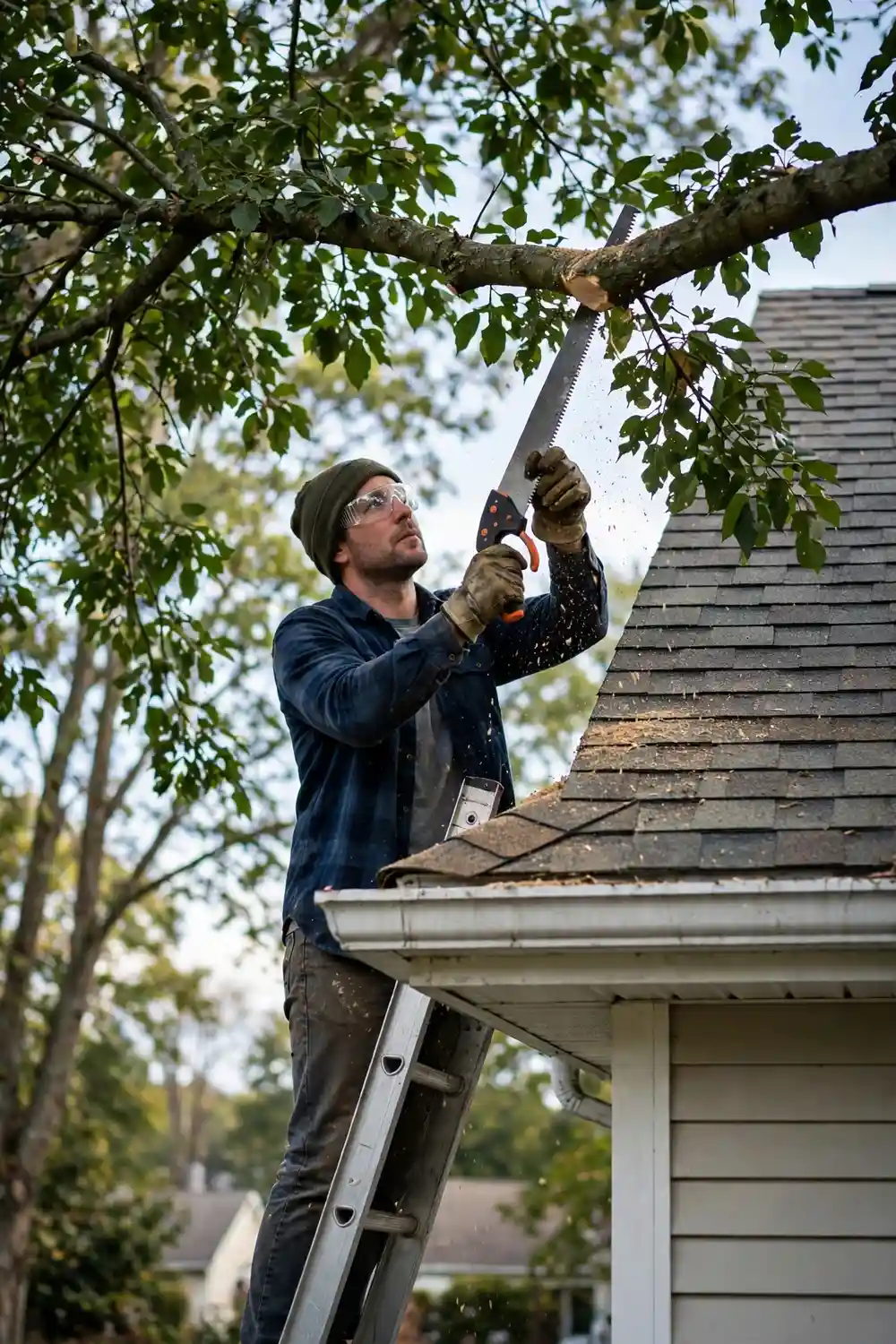
Wind turns the yard into ammunition. Anything light enough to move will move, and anything tall enough to fall on the house needs a decision made about it now.
- Overhangs, branches trimmed back off the roof and away from where the car parks
- Near powerlines, trees are a council or energy company call, never a weekend chainsaw job
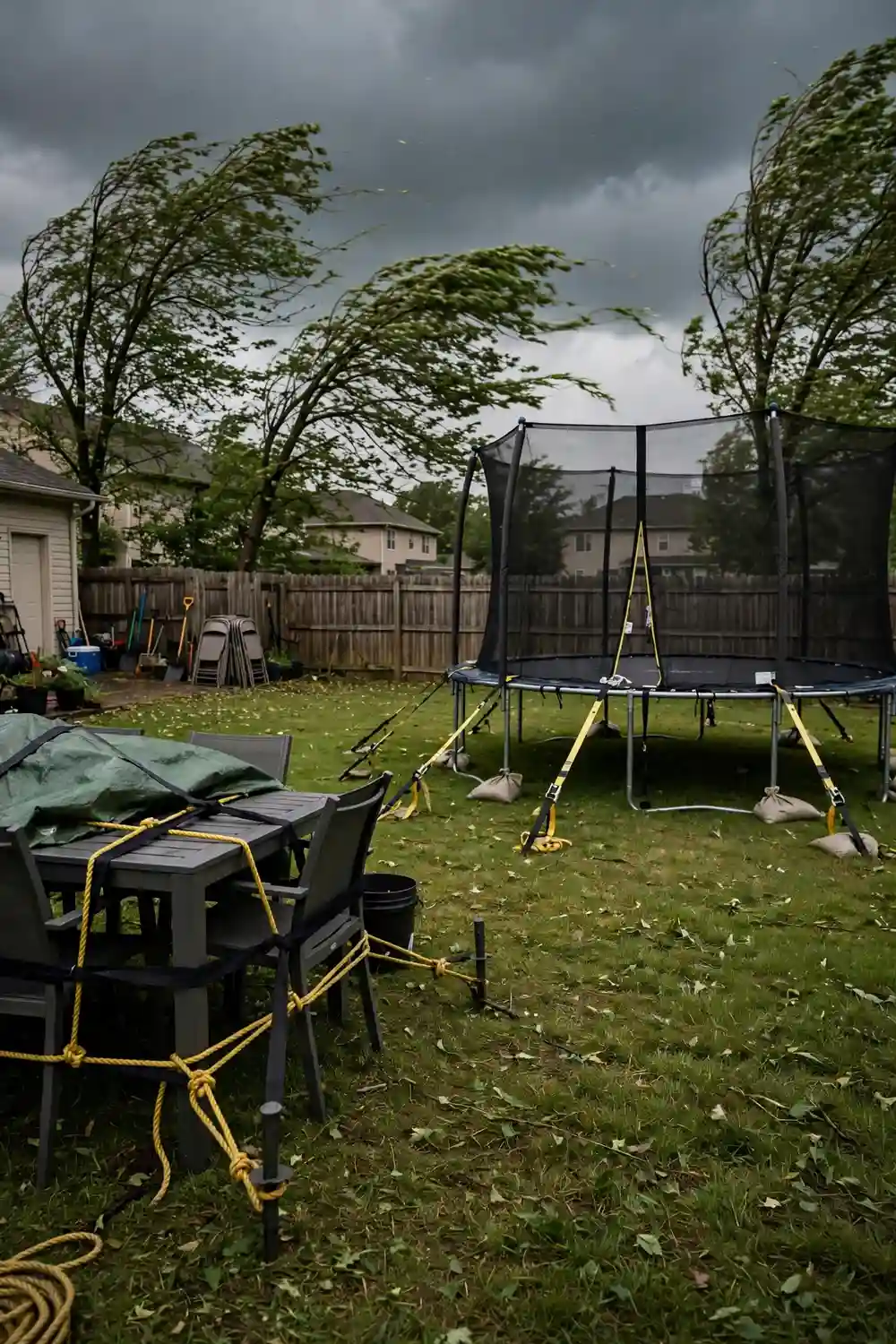
- Loose gear, outdoor furniture, trampolines, boats and bins secured, filled with water or brought inside
Clear the general debris while you are out there. A tidy yard also leaves emergency services a clear path in if they ever need one.
Windows, doors and the shell
A house holds together as a shell, and the shell is only as good as its seals. Walk every window and door and check that each one closes and seals properly.
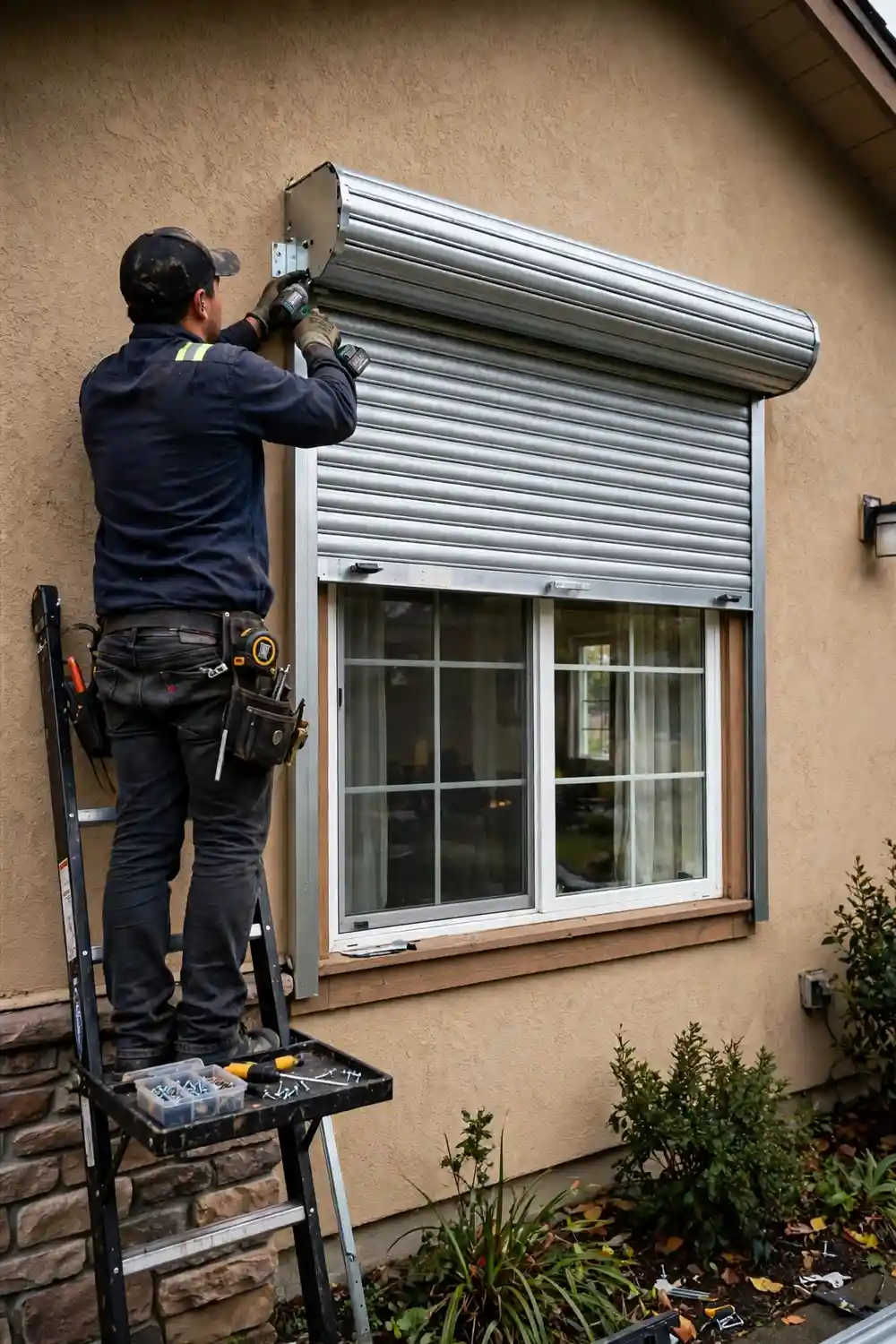
Broken glass gets repaired now, not boarded later. Shutters and security screens belong on the list too, because the Queensland Building and Construction Commission counts fitting glass openings with them among its season preparations, and loose fittings anywhere on the shell get fixed while the weather is calm.
- Seals, every window and door, checked by hand
- Glass, cracked or broken panes repaired before the season
- Fittings, loose screws tightened and broken sealant around the sills repaired
Inside the house
Pick the strongest room before you need it. Queensland Government guidance points to the smallest room with the least windows, which in most homes is the bathroom or the laundry.
Every adult in the house should know how to turn off the power, the water and the gas. Practise the location of each switch and tap now, in daylight, rather than learning it by torchlight.
- Strongest room, chosen, cleared and known to everyone
- Utilities, power, water and gas shut-offs located and understood
- Power, phones and power banks kept charged through the season, and used sparingly if a blackout stretches
Vehicles and fuel
Cars are both an escape route and a loose asset. A full tank at the start of the season’s worst weeks costs nothing and buys options.
- Parked under solid cover where possible, and away from trees where it is not
- Fuel tanks full before a warning period, not during one
- Stuck outside in hail, covered with a firmly tied tarpaulin or blankets, as the SES suggests
The emergency kit
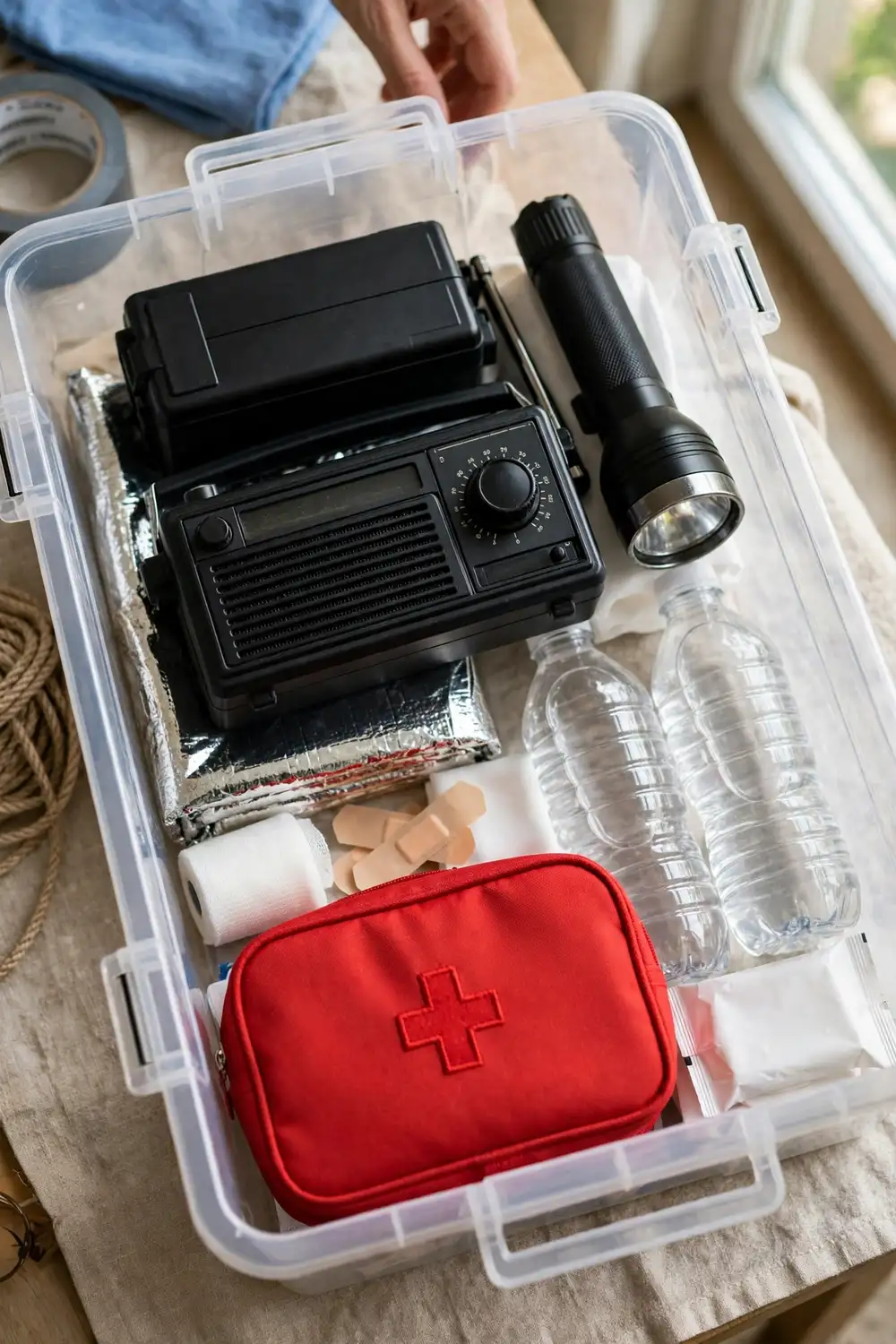
In a cyclone you may be on your own for up to three days, so the kit is built to sustain the household, not just snack it through a blackout. Allianz’s checklist, the one insurers give their own customers, runs like this.
- Water, 10 litres of bottled water per person
- Food, three days of non-perishables, plus a can opener
- Light and news, a battery radio and a torch, each with spare batteries
- Health, a first aid kit and manual, the medicines anyone in the house relies on, toiletries, sunscreen and insect repellent
- Warmth, a change of warm clothes and closed-in shoes for everyone, blankets or sleeping bags
- Paper, important documents in sealable waterproof bags, plus cash and spare keys
- Power, a charged power bank and charging cords
- Pets, their food, water and supplies packed with yours
Store the kit somewhere dry and easy to reach, and make sure every person in the house knows where it lives. Check it at least once a year, because batteries, water and food all perish quietly in the cupboard.
The plan and the paperwork
A kit without a plan is half a preparation. Write down where the family goes if you evacuate, how you contact each other if you are separated, what happens to the pets, and who does what when a warning lands.
Take photos of your assets and the rooms of the house while everything is intact. Insurers recommend it because it makes a future claim far easier to prove.
- Cover, home and contents policies checked as adequate and up to date for your local risks
- Timing, a waiting or exclusion period can apply to a brand-new policy, so check the PDS rather than assuming cover starts today
- Records, photos, documents and the household plan stored where water cannot reach them
When a watch or warning is issued
This is the short list, and it only works because the long list is already done. Tune into local radio or television and follow the Bureau of Meteorology warnings as they update.
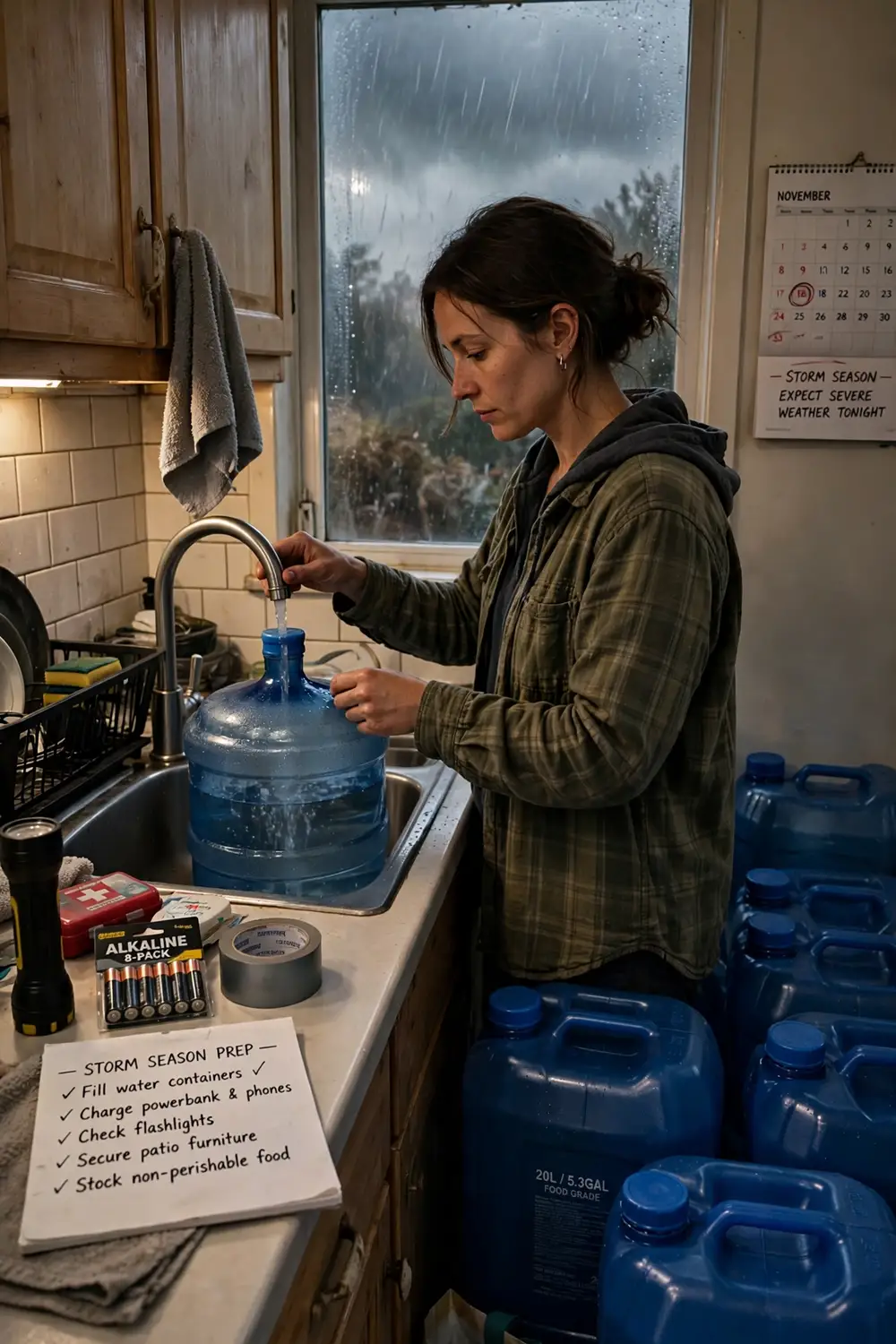
Tie down or fill with water anything large and light that is still outside, fill your water containers, and top up the vehicles. Check on your neighbours, particularly anyone elderly or living alone.
After it passes
Stay inside until the authorities say it is safe, and beware the calm eye of a cyclone, which is a pause and not an ending. The all-clear is an official message, not a quiet sky.
Outside, treat every fallen powerline as live, and never walk or drive through floodwater. Check the house is structurally sound before going back in, take care around damaged older homes where asbestos may be exposed, and have any flood-soaked gas appliance checked before it is used again.
For life-threatening emergencies call 000. For storm and flood help, call the SES on 132 500.
The bottom line
A prepared house is mostly a maintained house. Roof tight, gutters clear, yard secured, kit packed, plan written, all before November, and a cyclone becomes a frightening night instead of a ruined season.
Set aside one calm weekend and work the list top to bottom. Then put the kettle on and watch the radar like everyone else, knowing the work is already done.