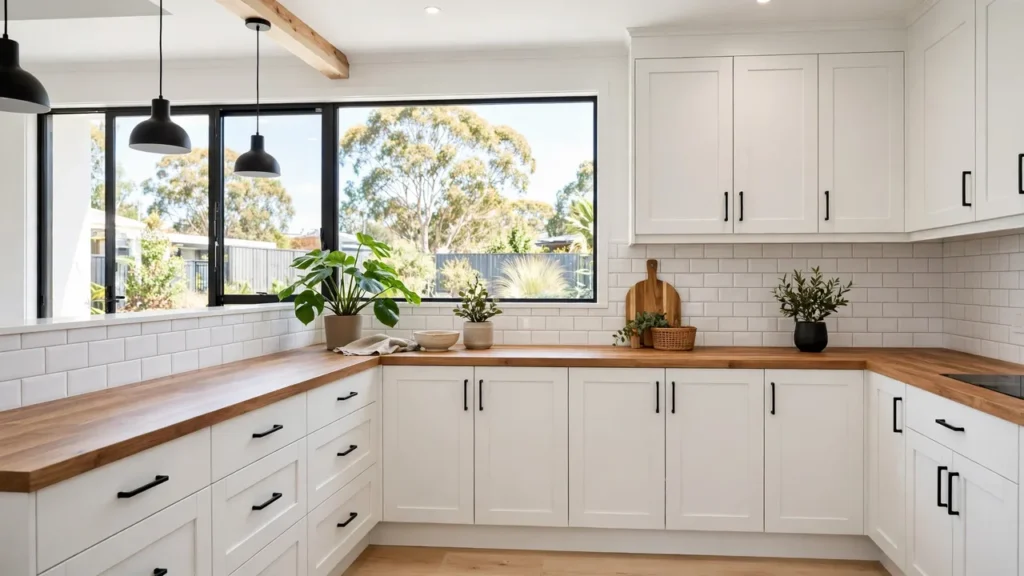
A new layer of paint often helps your house look much better. Nevertheless, the key to making sure your painting looks great is to hire someone trustworthy. It doesn’t matter if the update is big or small; a skilled professional should still be involved.
A new coat of paint makes your home look neat and also protects the surface against usual weathering and use. Where appearance and durability matter, selecting an expert painter will keep your home looking good and strong for years. With both technical and design skills, an expert will guide you to pick the best colour, texture, and finish for your home.
This guide will help you learn how to hire the best painter for your home, wherever you are in Australia, and what to check before you sign anything.
How to Find the Right Painter
Start with local research.
Finding a good painter starts with local research. Nowadays, there are several ways to collect information about potential painters. You can check Australian directories such as hipages, Airtasker and Service.com.au, along with Google reviews, for other people’s opinions and feedback regarding a particular painter. Take note of points on how the person carries out their work, their promptness, and how they interact professionally. Master Painters Australia, the industry association, also lists member painters in each state.
Your local paint store can be a useful source too. Staff there know which painters buy quality materials and come back for advice, and they will often suggest names from the area.
Get ideas by asking those in the community, such as friends, family members, or neighbours, who recently did home painting. Getting suggestions from people close to you is very helpful.
Check their experience and skills.
When you have your list, check the backgrounds and abilities of the painters. There are several elements to look at in this case:
- While just starting out is fine, choosing an experienced painter enables you to benefit from knowledge gained over the years.
- Ask to see pictures of projects the construction company has completed in the past. When a painter is professional, they will want to display their achievements. Study examples to see if they can deliver results that fit your expectations.
- A number of painters are experts in paintings like murals, exterior paintings, and those made with eco-friendly materials. You should only use a business that can meet your specific requirements, such as interior painting for personal renovation.
Confirm licences and insurance.
There is no national painter licence in Australia. Licensing rules differ by state and are usually triggered by the total value of the job, including GST, so the first step is working out which rules apply to your project and your job value.
| State | What is required | When it applies |
|---|---|---|
| New South Wales | Contractor licence (Building Commission NSW) | Residential painting work valued over $5,000 in labour and materials. Stand-alone internal painting contracts do not need a licence unless the painting is part of other home building work. |
| Queensland | QBCC Painting and Decorating licence | Painting work valued over $3,300 in labour and materials. |
| Western Australia | Registration as a painting contractor (DEMIRS) | Painting work valued at $1,000 or more. |
| Victoria | No registration for painting-only work | Registration is required only where painting is combined with other domestic building work worth more than $10,000. |
| South Australia | No separate painter licence | A building work contractor’s licence through Consumer and Business Services is recommended for larger jobs. |
| Tasmania | No separate painter licence | Lean harder on insurance, references, a detailed written quote and a written contract. |
The qualification behind every painting licence in Australia is the Certificate III in Painting and Decorating. Ask for the painter’s licence or registration number where one applies, and check it on your state’s public register rather than trusting a photocopied card: NSW Fair Trading’s licence check, the QBCC licensee register in Queensland, or WA’s licence search. Confirm the licence is current, covers painting work, and is in the same name as the business on your quote.
Insurance matters just as much. Ask to see a current public liability certificate before work starts; industry guidance points to around $5 million in cover for a sole-trader residential painter, and $10 million where the painter works under a head contractor. Workers compensation is required where the painter has employees or apprentices. Sight the current Certificates of Currency for both before any work starts, and check the policy dates yourself.
Compare quotes and pricing.
The price matters, but there are other things to consider as well. Follow these steps to go through the quoting process:
- Get full estimates from at least three painters before making a decision. It’s important to add up labour, needed supplies, how long it will take and any unexpected expenses in the estimate. Quoting all the details helps you avoid unexpected expenses.
- Selecting a product or service should be based on reasons other than the price alone. Instead, try to get the best value for the money you plan to spend. Products with a really low price may not use high-quality materials and might incur other costs later on.
- An honest painter should clearly explain their pricing. They ought to explain the importance of the materials or techniques used in your project.
Look for professionalism and communication.
You can depend on a painter if they have effective communication and professionalism.
In the initial meeting, check if the painter can understand your issue and suggest suitable solutions. They should question you to get a clear picture of what you want.
Make sure they keep their appointments on time and are not late. Respecting your schedule is important to a professional painter.
Make sure every aspect of the project is listed in a written contract. It needs to mention the work to be done, the materials required, the completion schedule, how expenses will be handled and how any problems will be resolved.
Trust your instincts.
Ultimately, pick a painter based on the instincts you feel. When you experience something odd in your relationship, it could indicate a problem. You should feel comfortable and sure that a professional painter will achieve what you want.
Conclusion
Hiring a home painter needs careful research and attention. You can guarantee success for the project by researching, checking the licence and insurance rules for your state and job value, reviewing experience, comparing itemised quotes, and assessing communication. The right professional can turn your house into a place you really enjoy and appreciate, and the right checks up front are what protect you if anything goes wrong.