
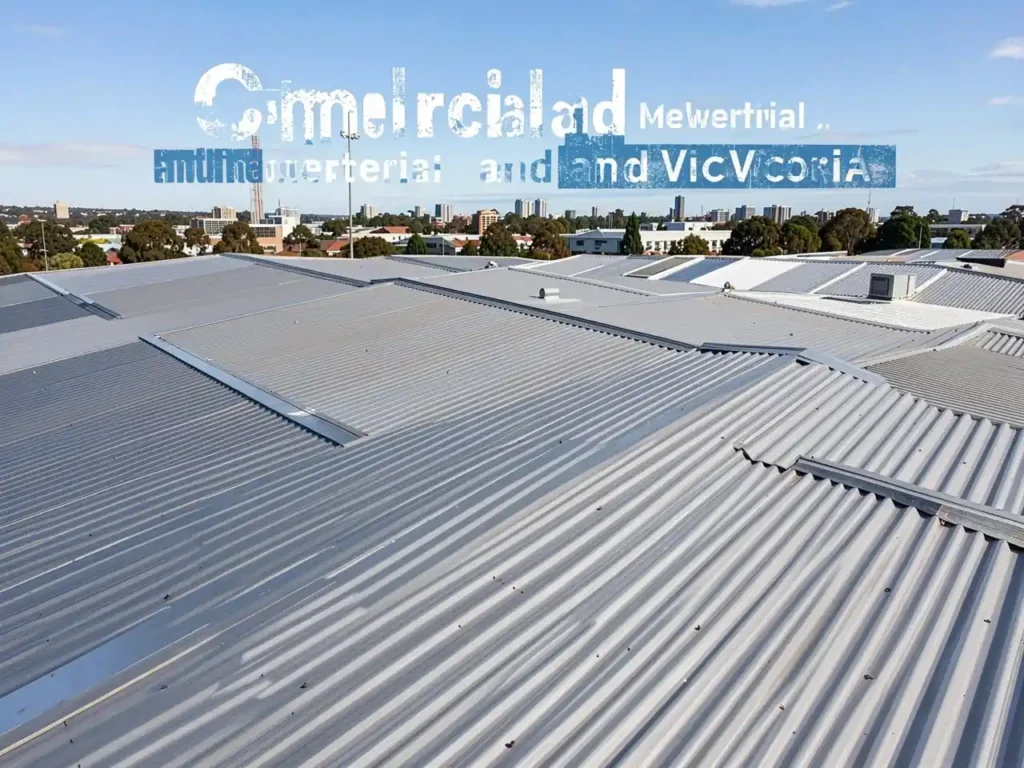
A roof does more than keep the rain out. For commercial and industrial properties, it’s a critical component of your building’s structural integrity, energy performance, and long-term operating costs. Yet roofing is one of those things that tends to get overlooked — until a leak shows up during a downpour or a facility inspection flags serious deterioration.
If you manage a warehouse, factory, retail unit, or any commercial building in Victoria, the type of roof you choose matters more than most people realise. And increasingly, property owners across the state are turning to metal roofing — not just because it looks sharp, but because it performs exceptionally well in this part of the world.
Why Roofing Matters More Than You Think for Commercial Properties
Residential roofing and commercial roofing are fundamentally different problems. Commercial and industrial buildings typically cover much larger surface areas, carry more weight from HVAC systems and solar installations, and face tougher compliance requirements under Australian building codes.
A failing roof on a residential home is an inconvenience. On a commercial premises, it can mean business interruption, damaged stock, moisture ingress into machinery, or liability issues. The stakes are simply higher.
This is why the material you choose — and the contractor who installs it — carries real financial consequences.
Why Metal Roofing Works So Well in Melbourne’s Climate
Victoria’s climate is famously unpredictable. Melbourne is known for experiencing four seasons in a single day, and regional areas aren’t much more forgiving — with coastal salt exposure, high UV levels, summer heat, and occasional hail all part of the picture.
Metal roofing has been engineered to handle exactly these conditions. Modern Colorbond steel and zinc-aluminium alloy systems are specifically tested and rated for Australian conditions. They resist corrosion, handle thermal expansion without cracking, and maintain their structural performance through decades of temperature swings.
For businesses investing in metal roofing in Melbourne, the local climate is actually one of the strongest arguments in favour of the material. Tile roofing, while traditional, becomes brittle over time under UV exposure and is vulnerable to cracking from hail impact — a real risk in parts of Victoria. Metal roofing, by contrast, is designed to flex slightly and absorb impact without compromising the system.
Metal Roofing vs Tile Roofing: An Honest Comparison
It’s worth being direct about this comparison, because a lot of property owners come in assuming tiles are the default — especially on older commercial buildings.
Weight: Metal roofing is significantly lighter than concrete or terracotta tiles. For older industrial buildings or structures with ageing roof frames, this difference can be critical. A lighter roof puts less stress on the building’s structure and can reduce the need for costly structural remediation during re-roofing.
Lifespan: A quality metal roof, properly installed and maintained, can last 40 to 70 years. Tile roofing — particularly older cement tiles — tends to degrade more rapidly and often requires individual tile replacement, re-bedding, and re-pointing every 10 to 15 years.
Maintenance: Metal roofs require far less ongoing maintenance. There are no grout lines to fail, no individual tiles to shift or break, and modern coatings resist moss and lichen growth that commonly plague tiled roofs in wetter parts of Victoria.
Water shedding: On commercial buildings with low-pitched or flat roof sections, metal roofing systems are designed for efficient drainage in ways that tiles simply aren’t suited for.
Energy performance: Metal roofing, when paired with appropriate insulation and reflective coatings, contributes meaningfully to thermal performance. Colorbond’s Thermatech® technology, for example, reflects more of the sun’s heat than standard roofing materials — reducing cooling loads in summer.
Signs Your Commercial Roof Needs Replacement
Many property managers delay roof replacement in Melbourne because the upfront cost feels significant. But delaying a failing roof almost always costs more in the long run — through water damage, insulation degradation, mould remediation, and lost productivity.
Here are the clearest signs that a replacement, not a patch, is the right call:
- Recurring leaks in the same locations, even after previous repairs
- Visible rust, corrosion, or widespread coating failure on metal sections
- Cracked, displaced, or missing tiles across a significant portion of the surface
- Sagging or uneven roof sections, indicating structural movement or water retention
- Excessive energy bills that point to compromised insulation or poor thermal performance
- Roof age exceeding 25–30 years without a documented replacement or major refurbishment
For industrial buildings in particular, any sign of water near electrical systems, machinery, or stored stock should be treated as urgent. The cost of a roof replacement is almost always less than the combined cost of what water damage can do inside a working facility.
The Business Case for Metal Roofing
Setting aside the technical arguments, commercial property owners want to know: does this investment make financial sense?
The answer, for most properties in Victoria, is yes — and the numbers support it.
Metal roofing generally costs more upfront than replacing like-for-like with tile or cheaper sheeting materials. However, when you factor in its lifespan, reduced maintenance requirements, energy savings, and the minimal disruption of future repairs, the total cost of ownership typically comes out lower over a 30 to 40 year period.
There’s also a practical consideration around re-roofing in Melbourne’s commercial sector: metal roofing is faster to install. Less time on-site means less disruption to your operations — something that matters when your building is actively being used.
For properties looking to achieve energy ratings under the National Construction Code or seeking Green Star compliance, the thermal performance of reflective metal roofing systems can also contribute to those outcomes.
Maintenance: What to Expect
One of the most common misconceptions about metal roofing is that it’s entirely maintenance-free. It isn’t — but it’s close.
For commercial and industrial metal roofs, a basic maintenance programme typically involves:
- Annual visual inspections, particularly after hail events or major storms
- Clearing of debris from valleys, gutters, and drainage points
- Checking penetrations — skylights, vents, pipe flashings — where leaks most commonly originate
- Touch-up coating on any areas showing early signs of surface corrosion, typically every 10 to 15 years depending on the environment
Properties in coastal Victoria or near industrial zones with airborne pollutants may require slightly more frequent attention to coating integrity. This is worth factoring into your maintenance planning from the outset.
Choosing the Right Roofing Contractor
The quality of a metal roofing installation is only as good as the tradesperson doing the work. This is not an area to cut corners on.
When selecting a contractor for roofing in Victoria, look for the following:
- Licensed and insured under Victorian building regulations
- Experience specifically with commercial and industrial projects — residential roofers don’t always have the right skills for large-scale or complex commercial work
- Knowledge of local council requirements and any relevant planning overlays
- Warranty on both materials and workmanship — reputable installers stand behind their work
Ask to see examples of comparable projects and check that the contractor is authorised to install the specific products they’re quoting. Manufacturers like BlueScope (Colorbond) maintain networks of licensed installers, and this matters for warranty validity.
Conclusion
For commercial and industrial property owners in Melbourne and Victoria, metal roofing is one of the most sensible long-term investments you can make in your building. It performs well in local conditions, outpaces tile roofing on most practical measures, and delivers genuine value over its lifespan.
The key is acting before deterioration becomes a crisis — and choosing a contractor with the right credentials and commercial experience to do the job properly.
